





Proactive Monitoring & Incident Prevention to Stop Incidents Before Users Notice
We help businesses detect and address signals before they become incidents. Small warning signs often appear long before users see a problem. Acting early protects stability and trust. Designed for organizations that want fewer incidents, clearer visibility, and consistent follow-through instead of constant firefighting.
Execution Challenges in Reactive Monitoring
Most systems do not struggle because monitoring is missing. Problems arise when signals are visible but not acted upon early.
Alert fatigue hides real risk
Too many alerts fire repeatedly. Critical warnings get ignored.
Reactive-only monitoring
Action happens only after alerts turn severe. Users are already affected.
No trend analysis
Slow degradation goes unnoticed. Performance declines gradually.
No Prevention Loop
Incidents resolved, but root causes not addressed
The Real Risk Is Not Alerts — It’s Lack of Action
Risk increases when alerts exist, but no one consistently acts on them. Systems may appear monitored, yet issues repeat.
Organizations often experience:
Small issues become major incidents
Gradual performance decline
Teams stay stuck in reactive mode
Tools alone do not create reliability. Action does.
How This Translates Into Ongoing Operations
Execution focuses on establishing clarity first, then strengthening detection, and finally sustaining prevention.
Phase 01
Monitoring Setup and Baseline
Risk addressed: Unknown system behavior
Deploy monitoring tools
Establish normal performance patterns
Define signal foundations
The objective is clear visibility into system health.Phase 02
Alert Tuning and Coverage Expansion
Risk addressed: Alert fatigue and blind spots
Reduce unnecessary alerts
Improve escalation paths
Close monitoring gaps
Detection becomes reliable and actionable.Phase 03
24/7 Review & Preventive Action
Risk addressed: Recurring incidents
Ongoing monitoring review
Engineering follow-through
Trend-based interventions
Fewer incidents reach production.Phase 04
Continuous Optimization
Risk addressed: Monitoring is becoming outdated
Regular evaluations
Alert refinement
Preventive improvements
Reliability strengthens over time.
Proven Impact in Live Environments
Appraise Cloud Solutions provides enterprise-grade cloud hosting for web applications, SaaS platforms, and e-commerce businesses in the United States. As demand increased, the existing infrastructure struggled during peak usage. Stability and performance began to decline under heavy traffic.
- Frequent downtime during traffic surges
- Slow response times are affecting user experience
- Infrastructure unable to scale dynamically
- Delayed issue detection due to limited monitoring
- Security risks from unmanaged secrets and outdated pipelines
- Inefficient resource usage increases operational cost
- Architected high-availability cloud infrastructure to strengthen uptime
- Implemented Azure Application Gateway and NGINX Ingress for traffic routing and SSL management
- Deployed containerized workloads on Azure Kubernetes Service with auto-scaling
- Enhanced performance using Redis caching and PostgreSQL on Azure
- Introduced real-time monitoring using Prometheus and Grafana
- Secured secrets through Azure Key Vault
- Established CI/CD pipelines using Azure DevOps and Terraform
- 99.99 percent uptime achieved
- Application response time improved by 45 percent
- Incident resolution improved by 60 percent
- The scaling speed doubled
- Monitoring visibility shifted to real-time insights
- Customer trust improved due to stronger reliability
- Infrastructure now supports growth without performance decline
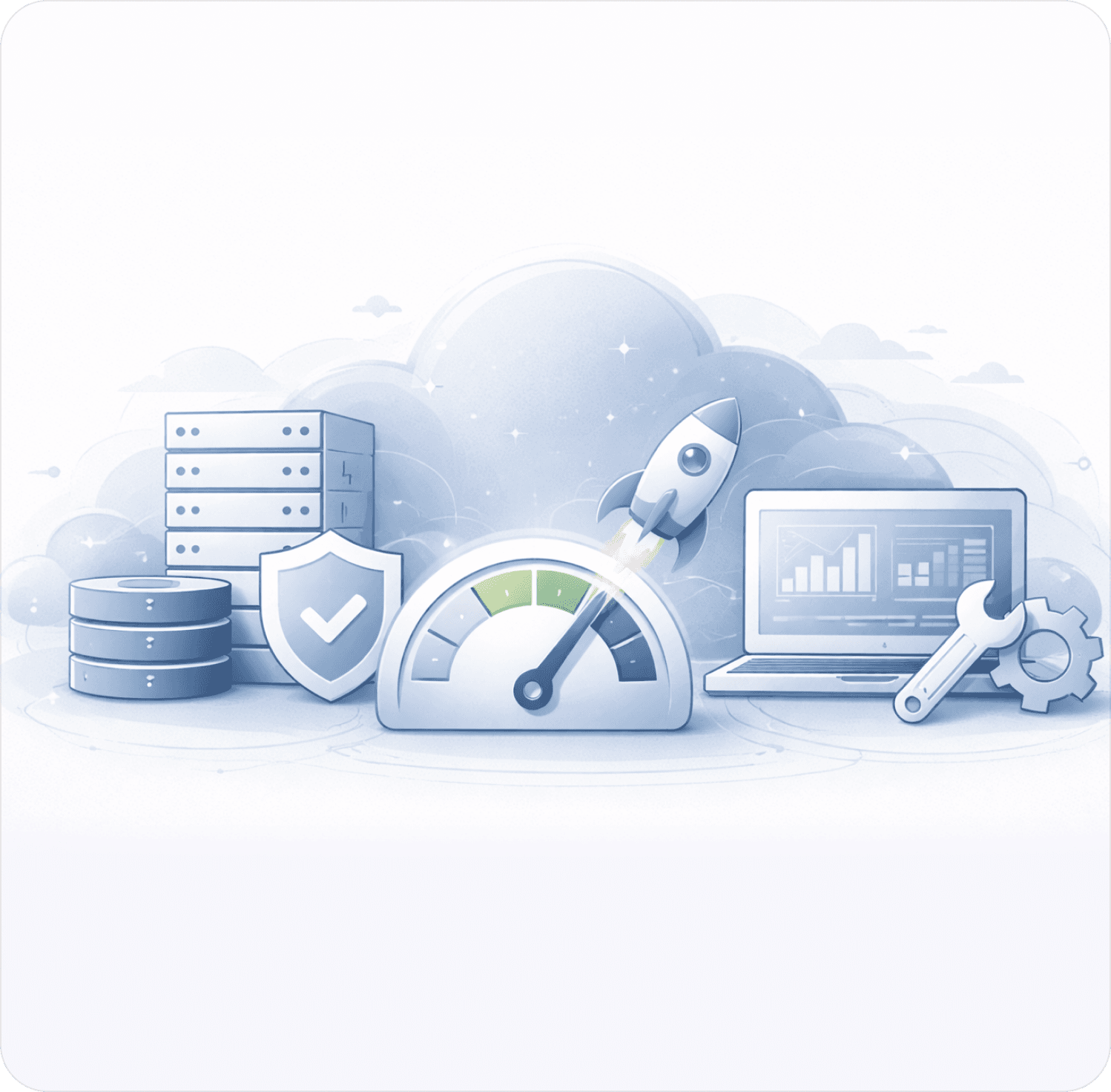
A United States-based hospitality technology provider set out to build a SaaS platform for hotel operations. The goal was to support real-time analytics, secure data handling, and expand regional demand. The platform needed to support more hotel customers without a performance decline.
- A growing customer base is increasing system load
- Need for high-speed analytics and data retrieval
- Sensitive hotel and guest data requiring protection
- Manual deployments are slowing release cycles
- Downtime risk during updates
- Conducted detailed requirement analysis covering functional, security, and regional needs
- Designed AWS architecture across compute, database, storage, and networking layers
- Configured EC2 with auto-scaling and Elastic Load Balancing
- Deployed RDS with Multi-AZ and read replicas
- Integrated Redis caching for faster response
- Implemented S3 for secure storage and lifecycle management
- Established CI/CD pipelines using CodePipeline, CodeBuild, and CloudFormation
- Applied AWS WAF, IAM roles, MFA, and encryption controls
- Deployment time reduced by 40 percent.
- Operational costs lowered by 25 percent.
- System uptime maintained at 99.9 percent.
- Architecture prepared to handle 5x user growth over three years.
- The client expanded services across multiple regions.
- Real-time analytics improved decision-making for hotel operators.
- Disaster recovery readiness strengthened platform reliability.
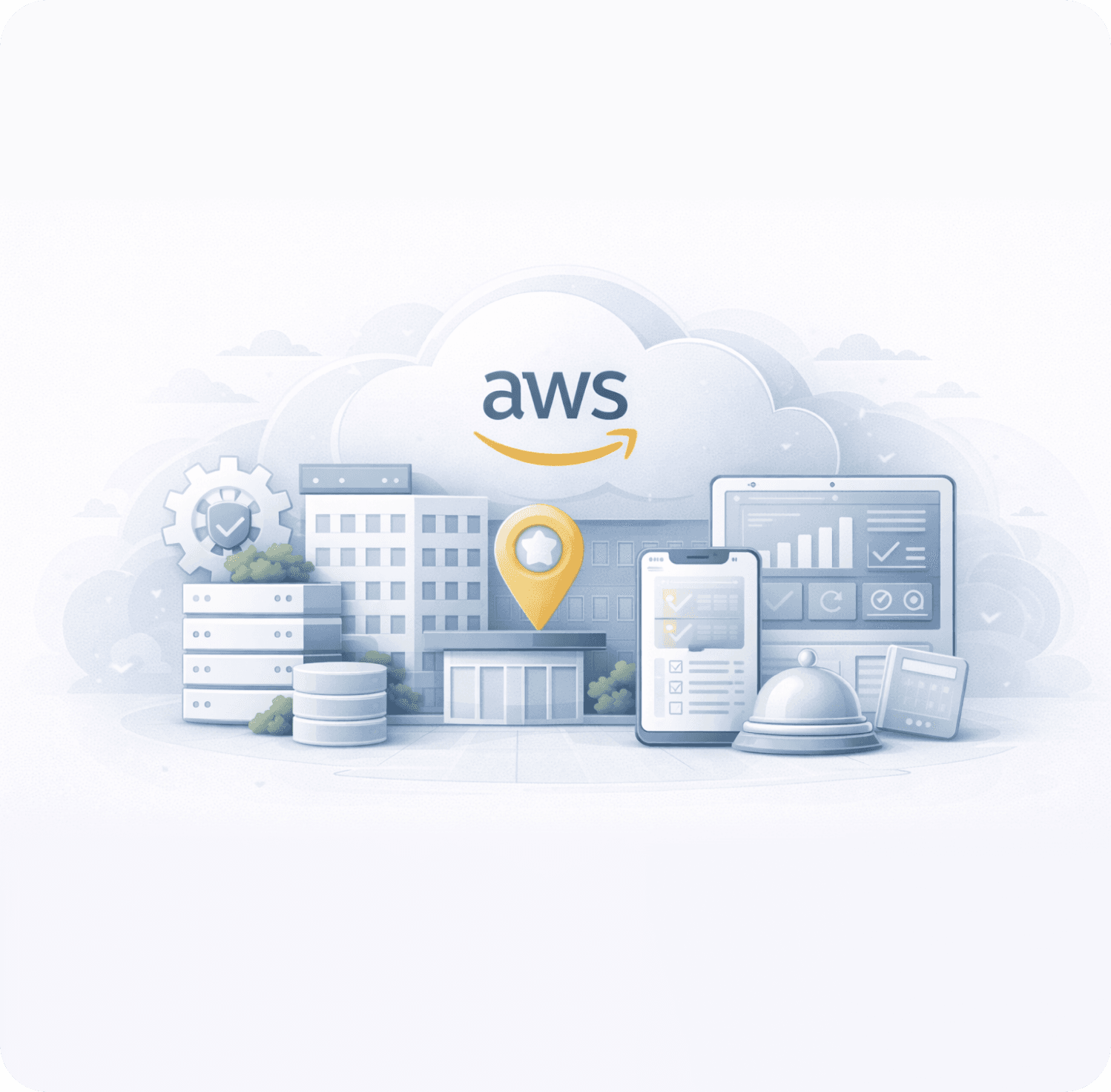
A Malaysia-based financial services provider delivered online payments, mobile recharges, and wallet management to thousands of users daily. Legacy infrastructure, recurring security breaches, and limited mobile accessibility began to restrict growth. Platform instability and migration risks created additional pressure.
- Frequent security breaches and stolen funds
- Server crashes and performance bottlenecks
- Weak database and firewall configurations
- Slow queries and resource spikes
- Limited mobile accessibility
- High-risk migration requirements with zero downtime expectations
- Remediated hacks, removed malware, and reset compromised access
- Upgraded protection from Sucuri to Cloudflare WAF and SSL
- Hardened infrastructure security policies and firewall rules
- Optimized MySQL queries and tuned PHP-FPM
- Implemented Redis caching to improve response time
- Migrated workloads to AWS EC2 and RDS
- Configured S3 backups for secure data protection
- Deployed ATOP and Netdata for performance monitoring
- Maintained staging and live environments with structured audits
- Developed a mobile-first experience using the Ionic Framework
- Integrated secure APIs for real-time synchronization
- Unified web and mobile platforms into a consistent ecosystem
- Security breaches have been reduced to zero
- Uptime improved to 99 percent
- Website load time improved by 50 percent
- Mobile traffic increased by 50 percent
- User engagement increased by 28 percent
- Conversion rates improved by 32 percent
Go Beyond Alerts to Real Incident Prevention
Move from reactive alerts to proactive monitoring to reduce noise and improve system stability.
Basic Monitoring
Starting at $39 per server/month
Who it’s for
- Small environments
- Early-stage startups
- Teams without monitoring systems
- Cost-sensitive teams
- Non-critical workloads
What it does
- Infrastructure uptime monitoring
- Service health checks
- Standard alerting setup
- Incident notification
- Basic issue response
What you get
- Visibility into system performance
- Faster detection of outages
- Reduced blind spots
- Basic operational awareness
- Improved response readiness
Basic Monitoring
Starting at $39 per server/month
Who it’s for
- Small environments
- Early-stage startups
- Teams without monitoring systems
- Cost-sensitive teams
- Non-critical workloads
What it does
- Infrastructure uptime monitoring
- Service health checks
- Standard alerting setup
- Incident notification
- Basic issue response
What you get
- Visibility into system performance
- Faster detection of outages
- Reduced blind spots
- Basic operational awareness
- Improved response readiness
Collaborate with Bobcares
Get actionable solutions for your business