





MVP & Early Product Engineering That Builds Confidence Early
We help transform strong ideas into demo-ready MVPs that build confidence, support investor conversations, and drive focused progress. Designed for products advancing from concept to early validation that require clarity, speed, and focused decisions.
Execution Challenges in MVP and Early Product Development
Most MVPs do not fail from lack of effort. Early decisions made without control and focus create the problem.
Overbuilding before validation
Too many features were introduced before learning what actually matters
Unclear MVP scope
Everything is treated as critical, leading to weak prioritization
Early technology missteps
Tools chosen for trend appeal instead of speed, hiring ease, or cost
MVPs that fail to communicate value
Products that do not clearly explain the problem or solution within minutes
Runway spent without increased conviction
Development progresses while confidence does not
The Biggest Risk Comes From Unresolved Uncertainty
At the MVP stage, risk is dangerous not because it exists early, but because it remains unresolved.
Teams often face challenges such as:
Months spent building something investors do not trust
An MVP that cannot evolve without rewriting
Missed funding windows due to unfocused execution
No clear answer to what was actually learned
Technical debt is not the main threat here. It is uncertainty that stays unresolved.
Effective MVP engineering is less about feature volume and more about ensuring every decision increases clarity for the team and for investors.
How This Translates Into Execution
Execution focuses on learning early, validating assumptions, and deciding what to do next.
Phase 01
Discovery & MVP Scoping
Risk addressed: Building without clear validation goals.
Define the core problem that the MVP must demonstrate
Clarify MVP boundaries and success criteria
Identify assumptions that must be tested early
Outputs are lean and focused, designed to guide decisions rather than document everything.Phase 02
Architecture & Technical Design
Risk addressed: Early decisions that block future evolution.
Define core system structure and data flow
Select technologies aligned with speed, cost, and maintainability
Design for real usage rather than theoretical scale
The objective is durability and clarity.Phase 03
Focused MVP Build
Risk addressed: Delivering complexity instead of learning
Incremental development tied to validation goals
Continuous review of usability and technical feasibility
Delivery centered on demo readiness and understanding
Every build cycle must increase confidence.Phase 04
Demo Readiness & Early Validation
Risk addressed: Products that fail to communicate value.
Prepare the MVP for investor demos, pilots, or early users
Validate clarity, usability, and narrative
Ensure the product can be explained and defended easily
Releases are designed to inform decisions, not just to ship.Phase 05
Iteration & Extension
Risk addressed: Stalling after initial delivery.
Refine based on real feedback
Extend one or two high-impact areas
Strengthen the product without rebuilding
The aim is steady progress supported by learning.
Proven in Early-Stage, High-Decision Environments
Our MVP engagements are typically used when clarity, credibility, and funding momentum matter.
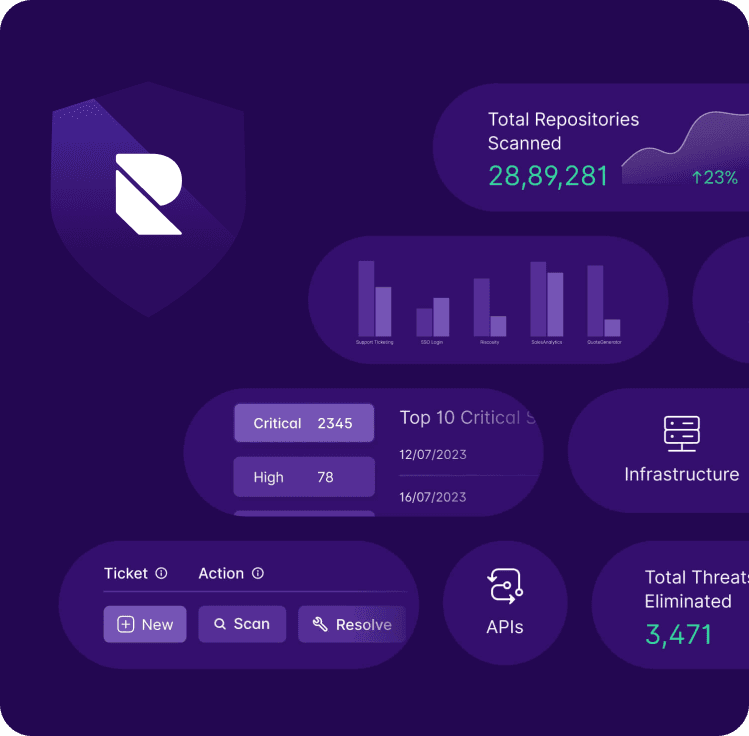
An early-stage API security concept needed a demo-ready MVP that could clearly demonstrate real-time AI and API data risk.
- Unclear MVP boundaries
- Overbuilding before validation
- Early technical choices are blocking future growth
- Defined a single core problem that the MVP had to demonstrate
- Structured the product around a clear detect, inspect, redact, govern narrative
- Delivered a focused, demo-ready MVP built for explanation and confidence
- Technical feasibility validated
- Clear value demonstrated to early customers
- Investor conversations supported with confidence
- The product evolved later without rewriting the foundation
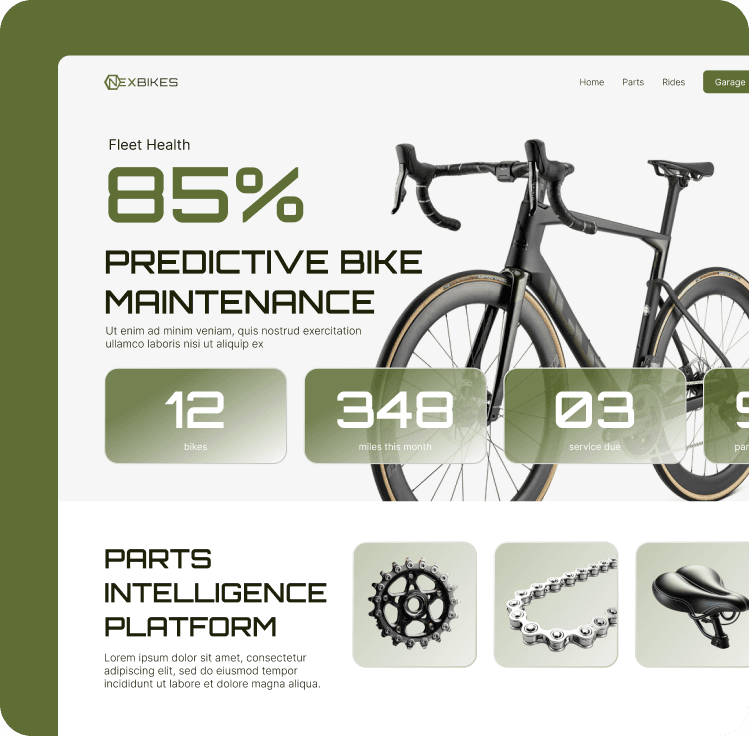
An e-commerce concept needed to prove that intelligent compatibility logic could improve buyer experience and reduce friction.
- Unclear MVP scope
- Manual operational bottlenecks
- Difficulty demonstrating value quickly
- Focused the MVP on compatibility logic as the core value
- Introduced self-service controls for non-technical users
- Built a demo-ready experience using real data
- Core value validated with real users
- Reduced uncertainty around product-market fit
- Clear narrative for pilots and investor discussions
- Foundation established for future expansion without rework
Start With Clarity, Not Commitment
Before any build begins, we recommend a structured evaluation.
Free Early Product Engineering Assessment
A focused review designed to identify key risks and define what should be built first.
What we assess
- Product idea and validation goals
- MVP scope and boundaries
- Technical feasibility and early risks
- Execution priorities and constraints
What you receive
- Clear view of MVP readiness
- Prioritized recommendations
- Guidance on the right next step
Who This Is For
- Are moving from idea to MVP
- Need a demo-ready product for validation or funding
- Want clarity before committing further
Clear guidance with no commitment required.
Free Early Product Engineering Assessment
A focused review designed to identify key risks and define what should be built first.
What we assess
- Product idea and validation goals
- MVP scope and boundaries
- Technical feasibility and early risks
- Execution priorities and constraints
What you receive
- Clear view of MVP readiness
- Prioritized recommendations
- Guidance on the right next step
Who This Is For
- Are moving from idea to MVP
- Need a demo-ready product for validation or funding
- Want clarity before committing further
Clear guidance with no commitment required.
Collaborate with Bobcares
Get actionable solutions for your business