


Smart Compatibility-Driven E-commerce Platform for Bike Components
The client had launched an MVP e-commerce platform to help riders find bike components compatible with their specific bike models. The concept improved product discovery, but the platform had limited administration, manual catalog operations, and basic personalization.
Bobcares expanded the MVP into a production-ready commerce platform with role-based administration, automated Airtable synchronization, structured catalog management, compatibility rules, CMS capabilities, and personalized bike profiles. Secure AWS S3 storage and real-time synchronization monitoring also improved operational control as the catalog and user base expanded.
Business Challenge
The MVP validated compatibility-driven product discovery but lacked the operational capabilities needed for commercial growth. Manual catalog and rule management, limited administration, basic personalization, and the absence of automated data synchronization increased workload and created scalability risks as products and users increased.
Technology Used
Blueprint
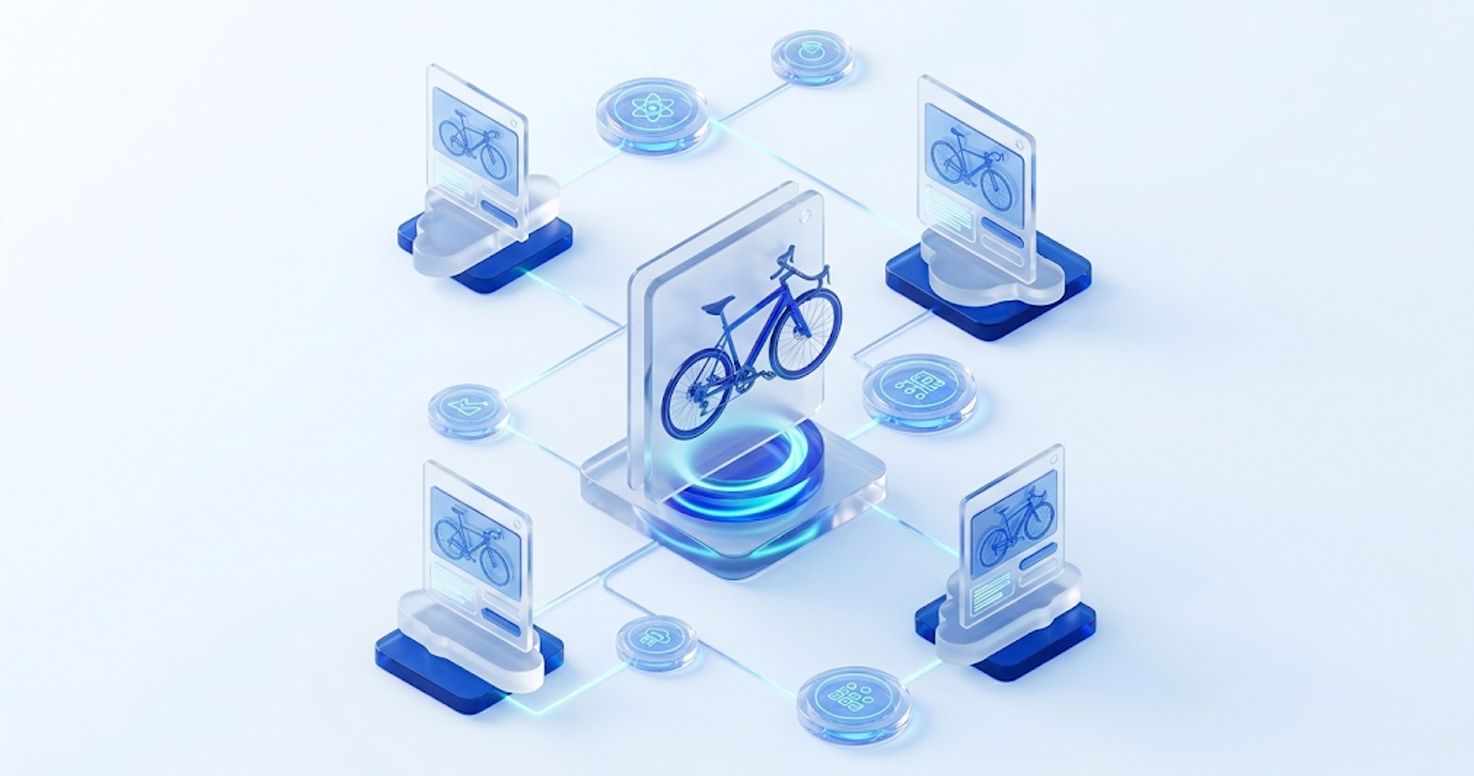
The platform combines a React and TypeScript frontend with Node.js and API services, cloud-hosted databases, and AWS S3 asset storage. Airtable data flows through automated synchronization pipelines into the catalog, while compatibility rules connect bikes with suitable parts. User profiles support personalized product discovery and bike management.


Key Outcomes
- Evolved the MVP into a production-ready e-commerce platform.
- Reduced manual catalog and data management through automation.
- Added scalable product and spare-parts management.
- Enabled self-service administration and content management.
- Improved operational visibility through real-time synchronization tracking.
- Added compatibility-driven product discovery and personalization.
- Established a scalable foundation for future features and integrations.
Customer Profile
The client operates an e-commerce platform focused on bike components and compatibility-based product discovery. The platform helps riders identify parts that fit their specific bike models. Its growing catalog required structured product, spare-parts, and compatibility management. The business also needed stronger administration and automation to support commercial expansion.
The Challenges
- Limited admin controls and no role-based permissions.
- Manual catalog updates and compatibility rule management.
- No automated process for large-scale data imports.
- Unstructured product and spare-parts management.
- Limited content management capabilities.
- No real-time visibility into synchronization operations.
- Basic user experience with limited personalization.
- Scalability concerns as catalog and user volumes increased.
Why Bobcares?
- Built on the validated MVP instead of requiring a complete product rebuild.
- Addressed operational limitations through centralized administration and automation.
- Structured catalog and compatibility management for continued product expansion.
- Added personalization while preserving compatibility as the core product experience.
- Introduced cloud-based asset storage and operational visibility for scalable management.
What We Delivered
- Expanded the MVP into a full-featured e-commerce platform.
- Implemented centralized admin controls and role-based permissions.
- Added CMS functionality for banners, FAQs, and site content.
- Developed structured catalog and spare-parts management.
- Implemented Airtable catalog synchronization.
- Added real-time synchronization progress and upload monitoring.
- Automated image and attachment synchronization to private AWS S3 buckets.
- Implemented compatibility rules for bike-to-part matching.
- Added bike and part management for users.
- Developed Bike Keeper functionality for factory-fitted components.
- Added upgrade and replacement flows.
- Implemented saved bike profiles and compatibility-driven part listings.
Results
Platform Maturity
- Before: The platform operated as a lean MVP designed to validate compatibility-based product discovery.
- After: The MVP was expanded into a production-ready e-commerce platform with broader administration, automation, catalog, and personalization capabilities.
Operational Workload
- Before: Catalog updates, rule management, and asset handling involved manual processes.
- After: Data synchronization, asset processing, and several catalog operations were automated.
Catalog Management
- Before: The MVP lacked structured product and spare-parts management for larger inventories.
- After: A structured catalog and dedicated spare-parts management system supported continuously updated inventories.
Administration
- Before: Admin controls were limited and lacked role-based permissions.
- After: Centralized administration and role-based access enabled controlled self-service operations.
Data Synchronization
- Before: Large-scale catalog and asset updates lacked automated synchronization and real-time operational visibility.
- After: Airtable synchronization, automated asset processing, and live progress monitoring provided greater control over catalog updates.
User Experience
- Before: The MVP provided basic compatibility-based product discovery with limited personalization.
- After: Users could manage bikes and parts, save bike profiles, view factory-fitted components, and access compatibility-driven upgrade and replacement options.
The Business Impact
- Reduced operational dependency on manual catalog management.
- Improved control over product and compatibility data.
- Supported broader product catalog expansion.
- Increased customer confidence through compatibility-focused discovery.
- Enabled marketing content updates without developer involvement.
- Created a structured foundation for continued commerce growth.
- Reduced operational bottlenecks associated with data and asset management.
Ongoing Collaboration
- Supporting catalog and spare-parts management as inventories expand.
- Maintaining automated Airtable synchronization workflows.
- Managing compatibility rules for new bike models and product lines.
- Supporting CMS-driven content management.
- Monitoring data synchronization and asset uploads.
- Supporting platform scalability as users and catalog volumes grow.
Conclusion
Bobcares transformed the bike component e-commerce MVP into a scalable commercial platform without rebuilding its core concept. Automated catalog operations, structured compatibility management, enterprise administration, secure asset storage, and personalized bike experiences reduced operational limitations and created a stronger foundation for continued growth.

