


Artificial intelligence is no longer something out of a science fiction film. It has been changing the way businesses and industries work for a while. For instance, hospitals use AI to catch diseases earlier, and banks use it to flag fraud in real time. AI applications are growing fast.
However, it can be hard to know what AI actually does in the real world. That is what this blog is about. It breaks down practical AI use cases across industries and business functions, so you can see exactly where and how it is making a difference.
 What Is an AI Use Case?
An AI use case is a specific situation where artificial intelligence is applied to solve a problem, improve a process, or create something new. It is not a vague idea about the future. It is a defined application. It can be something like using AI to screen job applications, detect a cyberattack, or predict when a machine needs maintenance.
AI use cases can be industry-specific or they can apply across business functions regardless of the sector.
AI Use Cases in Business Functions
Let’s start by trying to understand how artificial intelligence use cases show up in common business functions. These are areas where almost every company operates, so AI adoption here tends to have a wide impact.
Customer Service and Support
AI-powered chatbots and virtual assistants now handle a large share of customer queries. They can answer questions, process returns, track orders, and escalate issues to a human agent when needed. This reduces wait times and frees up support staff to focus on more complex problems.
AI also helps analyze past customer interactions to identify patterns. Businesses can use these insights to improve their support processes and reduce repeat complaints.
Marketing and Content
AI tools help marketers understand their audience better. Analyzing browsing behavior, purchase history, and engagement data helps AI to predict what a customer is likely to buy next and personalize the messaging accordingly.
On the content side, AI assists with writing drafts, generating ad copy variations, and running A/B tests at scale. It also powers sentiment analysis, which scans social media to gauge how people feel about a brand or campaign.
Human Resources
Hiring is another area where AI has already made a noticeable difference. AI tools can scan large volumes of resumes, shortlist candidates based on set criteria, and even schedule interviews automatically.
AI also supports employee development by recommending learning paths based on individual performance data and career goals. Additionally, it helps HR teams spot early signs of disengagement before an employee decides to leave.
Finance and Accounting
AI can process invoices, flag payment anomalies, and generate financial reports faster than manual processes. It is also being used for budgeting and forecasting, where it analyzes historical data to surface trends and predict future outcomes.
Expense management is another area where AI tools automatically categorize and verify claims, reducing both time and errors.
Quick Overview: AI in Business Functions
| Business Function | AI Application | Example Outcome |
|---|---|---|
| Customer Service | Chatbots, query resolution | Faster response times, lower support costs |
| Marketing | Personalization, sentiment analysis | Higher campaign relevance and engagement |
| Human Resources | Resume screening, employee development | Faster hiring, better retention |
| Finance & Accounting | Invoice processing, forecasting | Fewer errors, quicker financial close |
AI Use Cases by Industry
 Healthcare
Healthcare is one of the most significant areas where artificial intelligence use cases are delivering real results. AI can analyze medical images like X-rays and MRIs to help doctors detect conditions such as cancer, diabetic retinopathy, and pneumonia earlier than traditional methods. AI is also accelerating drug discovery. Identifying molecules that might work against a disease used to take years. AI helps researchers model and screen thousands of compounds in a fraction of that time. In hospitals, AI handles administrative tasks like patient record management, appointment scheduling, and billing, giving medical staff more time for direct patient care.
 Banking and Finance
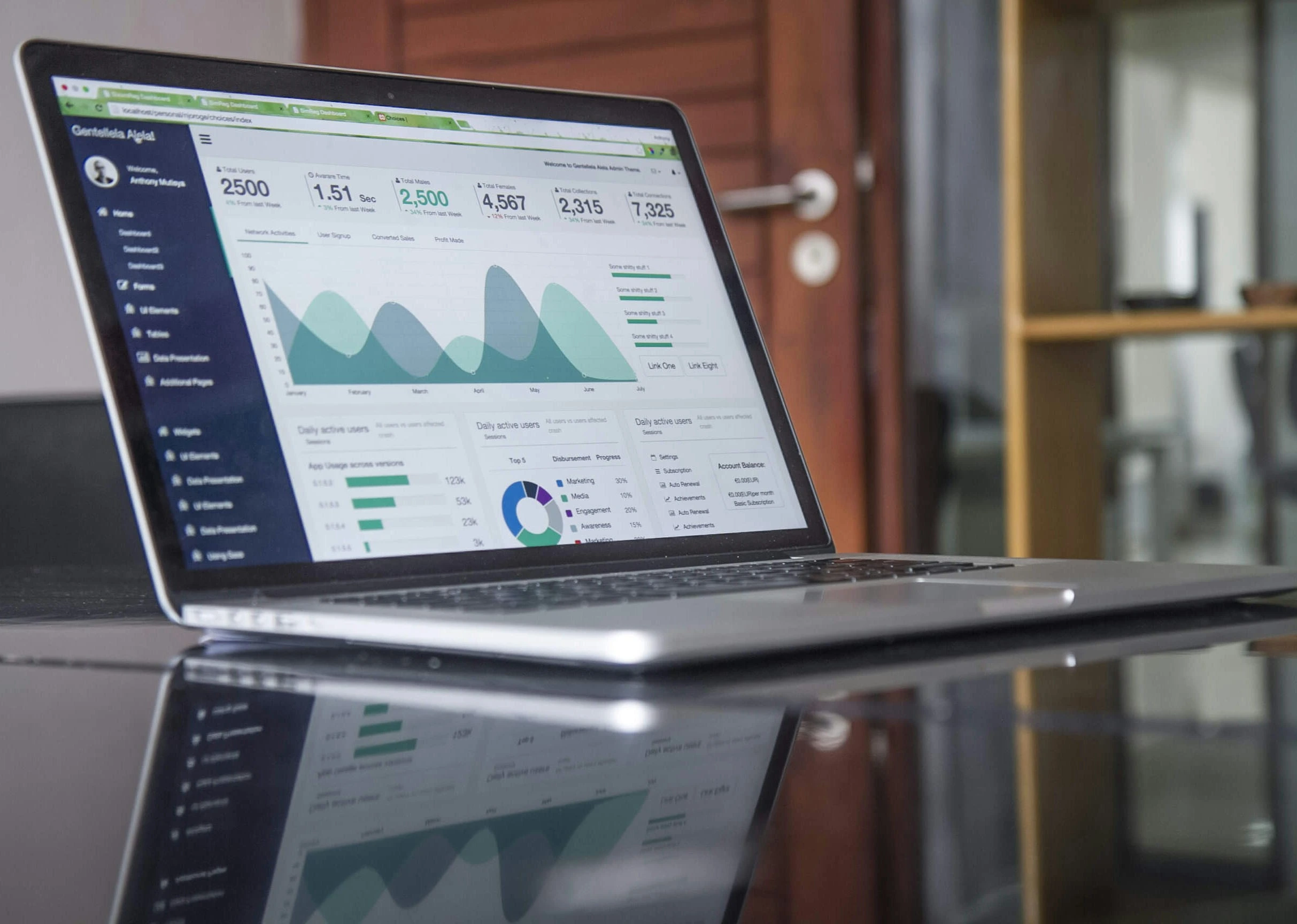
Banks and financial institutions were early adopters of AI, and the applications have grown since then. Fraud detection is one of the most popular use cases. AI models monitor transaction patterns in real time and flag activity that looks suspicious, often catching fraud before the customer even notices.
Credit scoring is another area. Instead of relying solely on traditional credit history, AI systems factor in a wider range of data to give a more accurate picture of a borrower’s risk. AI is also used in algorithmic trading, where it processes market data and executes trades at speeds no human trader could match.
 Retail and E-Commerce
In retail, AI has a big impact on personalization. When a shopping platform recommends products based on what you have browsed or bought before, AI is behind that. These recommendations drive up online sales. AI also helps retailers manage their inventory more accurately. It can forecast stock needs and avoid both overstocking and shortages by analyzing past sales data, seasonal trends, and current demand signals. Pricing is another application, where AI tools adjust prices dynamically based on demand, competition, and customer behavior.
 Manufacturing
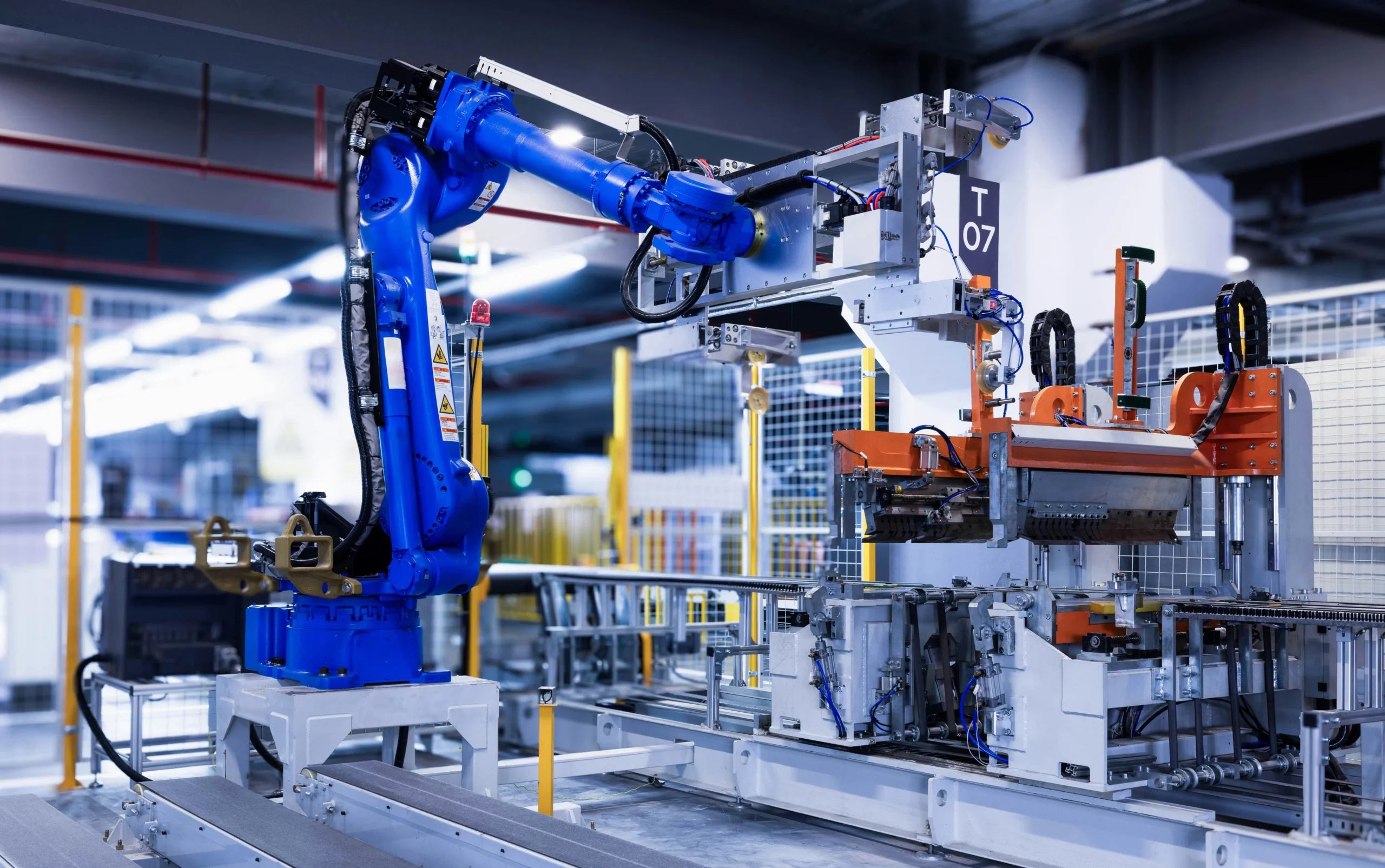
Manufacturing operations deal with large amounts of equipment, data, and processes, which makes it a natural fit for AI. Predictive maintenance is one of the most valuable use cases here. AI analyzes sensor data from machines to identify patterns that typically precede a breakdown. This allows maintenance to happen before a failure occurs, reducing downtime and costly repairs. AI is also being used on assembly lines to detect defects through computer vision. Cameras and AI models inspect products in real time and flag anything that does not meet quality standards, far faster than a human inspector could.
 Education
Adaptive learning platforms adjust the difficulty and format of content based on how a student is performing, so each learner moves at their own pace. This is particularly useful in large classrooms where teachers cannot give individual attention to every student. AI tools also assist educators with grading, lesson planning, and identifying students who may be struggling before they fall too far behind. AI-powered tools like transcription, translation, and text-to-speech are expanding access to education in meaningful ways for learners with disabilities or language barriers.
 Cybersecurity
AI is now a core part of how organizations defend themselves. It can monitor network traffic around the clock and detect unusual behavior that might indicate an intrusion or malware attack.
AI helps systems analyze behavioral patterns, such as how a person types or moves a mouse, to determine if the current user is who they claim to be. Automated incident response is another growing use case, where AI takes immediate action to contain a threat while human analysts assess the situation.
 Agriculture
Drones and satellite imagery combined with AI can monitor crop health across large areas and flag disease or pest damage early. Soil sensors feeding data into AI models help farmers know exactly when and how much to irrigate, cutting water use without hurting yields.
Livestock health is another application, where AI-powered monitoring tools track animal behavior and vital signs to catch illness before it spreads. AI also helps with supply chain forecasting, predicting demand, and planning distribution more accurately.
AI Use Cases for Social Impact
Some of the most meaningful applications are in areas that affect people’s quality of life on a large scale.
In healthcare, AI-powered telehealth platforms are bringing medical consultations to people in remote areas who would otherwise have limited access to doctors. These tools can monitor chronic conditions and alert healthcare providers when something changes.
In climate and agriculture, AI is being used to model the effects of climate change on crop yields and water availability. This helps governments and NGOs plan food security strategies more accurately.
In public safety, AI tools help law enforcement analyze crime patterns to allocate resources more effectively. They are also being used to identify trafficking networks by scanning large data sets that no human team could process manually.
In education, AI is breaking down barriers for students with learning differences, offering tools that adapt to their specific needs and making quality education available regardless of geography or background.
Real-World Examples of AI in Action
It helps to see how these use cases actually play out. Here are a few examples across sectors:
In healthcare, AI tools are used by radiologists to analyze thousands of scans and detect early signs of cancer with a level of accuracy that matches human specialists.
In financial services, major banks have deployed AI systems that review millions of transactions daily, reducing fraud losses considerably. The same technology helps credit analysts process applications much faster without sacrificing accuracy.
In retail, large e-commerce platforms use AI to power their recommendation engines, which are responsible for a big share of total revenue. The same retailers use AI in their warehouses to guide picking routes, manage stock levels, and coordinate logistics.
In manufacturing, automotive companies use computer vision systems powered by AI to inspect parts on the production line, catching defects that would have previously passed undetected through manual checks.
AI Use Cases at a Glance: Industry Examples
| Industry | Application Area | What AI Does |
|---|---|---|
| Healthcare | Diagnostics, drug discovery | Detects disease from scans, speeds up research |
| Banking & Finance | Fraud detection, credit scoring | Flags suspicious activity, improves risk assessment |
| Retail & E-Commerce | Personalization, inventory | Recommends products, forecasts stock needs |
| Manufacturing | Predictive maintenance, quality control | Prevents breakdowns, catches product defects |
| Education | Adaptive learning, accessibility | Personalizes content, supports diverse learners |
| Cybersecurity | Threat detection, authentication | Monitors networks, verifies user behavior |
| Agriculture | Crop monitoring, irrigation | Detects disease, reduces water waste |
How to Get Started with AI in Your Business
If you are looking to bring AI into your own work or organization, the good news is that you do not need to build anything from scratch to get started.
1. Start with a specific problem
Rather than thinking about AI in general terms, identify one area where you have a clear pain point, like slow customer response times, inaccurate demand forecasting, or high manual effort in a repetitive task. A focused problem leads to a much more practical AI solution.
2. Look at what already exists
There are many ready-to-use AI tools for common business needs, from customer support to marketing automation to data analytics. You do not always need a custom model. Many small and mid-sized businesses are already getting strong results from off-the-shelf tools.
3. Prioritize data quality
AI is only as good as the data it learns from. Before investing in any AI tool, check if your data is clean, organized, and accessible. Poor data leads to poor outcomes, no matter how advanced the technology.
4. Test before scaling
Pick one use case, test it properly, measure the results, and then decide if it is worth expanding. Jumping straight to large-scale implementation without a proof of concept is a common and costly mistake.
5. Build internal understanding
AI tools work best when the people using them understand what they do and why. Basic AI literacy across your staff will also speed up the adoption process and improve the outcome.
Conclusion
Artificial intelligence use cases are no longer limited to large corporations or tech companies. They span nearly every industry and business function, and they are becoming more accessible every year. Healthcare, finance, retail, manufacturing, agriculture, education, and cybersecurity are all being shaped by how AI is applied today.

