


Compare top Cross-Border Ecommerce Payment Gateways, understand costs, compliance, and features, and choose the right solution with our ecommerce consulting services to scale global B2B sales faster. Our 24/7 Ecommerce Live Support Team is always here to help you.
Global selling is no longer reserved for large enterprises. Today, B2B brands of every size sell beyond borders, serve international buyers, and collect payments in multiple currencies. However, expansion only works when payments work. That is where Cross-Border Ecommerce Payment Gateways become the backbone of global trade.
Before choosing one, it is important to understand how these gateways operate, what challenges they solve, and why the right choice directly impacts revenue, trust, and conversion rates.

Overview
- What Cross-Border eCommerce Really Means for B2B Businesses
- How Payment Gateways Power International Transactions
- Why Cross-Border Payments Are Still Complicated
- Tools That Dominate the Cross-Border Payment Space
- Best Practices That Improve Payment Success Rates
- Why Cross-Border eCommerce Drives Long-Term Growth
- Measuring What Actually Matters
What Cross-Border eCommerce Really Means for B2B Businesses
Cross-border eCommerce refers to selling products or services to customers outside your home country through online channels. For B2B companies, this often includes bulk transactions, recurring invoices, regional compliance rules, and high-value payments.
Unlike domestic selling, international transactions demand more than just currency conversion. They require secure authorization, regulatory compliance, and local payment preferences. As a result, Cross-Border Ecommerce Payment Gateways are not optional tools; they are growth enablers.
How Payment Gateways Power International Transactions
A payment gateway acts as the digital bridge between your customer’s bank and your business account. It verifies funds, encrypts payment data, approves transactions, and ensures money reaches you safely.
In cross-border scenarios, gateways also handle:
- Multi-currency processing
- Exchange rate conversion
- Regional tax and compliance requirements
- Fraud screening across borders
Because of this, choosing the wrong provider can slow payments, increase failure rates, and damage buyer confidence.
Why Cross-Border Payments Are Still Complicated
Although technology has improved, international payments remain complex. First, transaction costs are higher due to exchange fees, intermediary banks, and compliance charges. Second, settlement times are slower, often taking several days before funds arrive.
Additionally, regulatory differences create friction. For example, Europe enforces Strong Customer Authentication, while other regions follow entirely different security models. On top of that, fraud risk increases when transactions cross jurisdictions.
Therefore, businesses that rely on outdated systems often lose deals simply because payments fail or feel unreliable.
Tools That Dominate the Cross-Border Payment Space
Several platforms lead the market by offering stable infrastructure and global reach.
- PayPal works well for international buyers who prefer familiar checkout experiences.
- Stripe is popular among B2B SaaS companies due to its strong API and currency support.
- Adyen focuses on enterprise-level merchants needing localized payment methods.
- Worldpay offers wide geographic coverage with strong reporting features.
- 2Checkout supports subscriptions and regional payment options effectively.
Each platform solves a different problem, which is why comparing features, fees, and supported regions is critical before committing.
Best Practices That Improve Payment Success Rates
To reduce friction and increase approvals, businesses must think beyond basic integration.
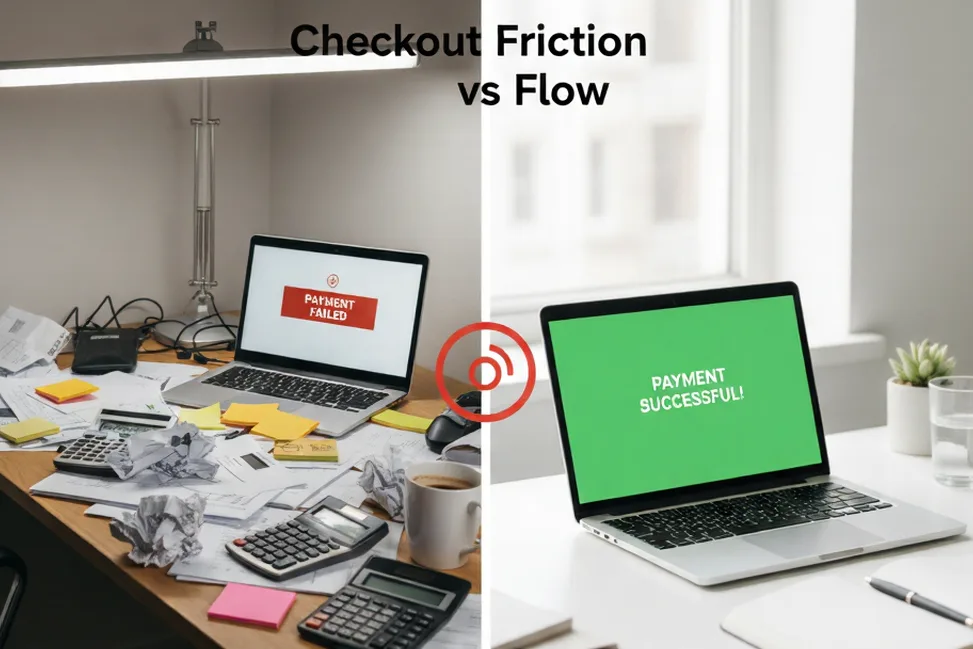
First, research how buyers prefer to pay in each market. For instance, bank transfers dominate parts of Europe, while digital wallets are common in Asia. Next, optimize for mobile users, since decision-makers often approve payments on phones.
Equally important, monitor currency fluctuations to protect margins. At the same time, run regular payment tests to catch errors before customers do. When applied together, these steps significantly improve the performance of Cross-Border Ecommerce Payment Gateways.
Why Cross-Border eCommerce Drives Long-Term Growth
Selling internationally unlocks new revenue streams without opening physical offices. More importantly, it strengthens brand visibility across regions and creates early-mover advantage in competitive markets.
As global buyers become comfortable purchasing from international vendors, trust shifts toward brands that offer smooth, localized payment experiences. This is exactly where Cross-Border Ecommerce Payment Gateways deliver measurable value.
Scale Global B2B Payments Confidently

Measuring What Actually Matters
Success should never be guessed. Track conversion rates at checkout, failed transaction percentages, and cart abandonment caused by payment issues. Additionally, customer feedback often reveals friction points analytics miss.
By combining gateway dashboards with analytics tools, businesses gain clarity on which markets perform well and which need optimization.
Conclusion
Start by defining your target regions and average transaction size. Then compare gateways based on compliance coverage, settlement speed, and total cost, not just headline fees. Finally, test integration thoroughly before going live.

