


Explore seven inspiring examples of digital transformation that helped major brands grow, and learn how your business can start its digital journey today.
Digital transformation is no longer just a buzzword. Companies across different industries are reimagining how they operate, connect with customers, and create value through technology.
It has become an essential strategic move for staying competitive, efficient, and relevant.
If you are on the fence about considering this shift, understanding how others have successfully transformed can be the spark to take the next step.
Today, we will look at 7 Businesses that took the plunge and have become successes in the real world.
Overview
- Starbucks: Creating Personalized Customer Experiences
- Domino’s Pizza: Reinventing Delivery through Data
- Nike: Empowering Direct-to-Consumer Connections
- Amazon: Setting New Standards in Automation
- Walmart: Blending Online and Offline Retail
- Netflix: Turning Data into Entertainment Gold
- Siemens: Building Smart Factories through IoT
1. Starbucks: Creating Personalized Customer Experiences
Starbucks didn’t just sell coffee. It sold convenience, comfort, and connection. The company’s mobile app became a cornerstone of its digital transformation journey. Customers could order ahead, pay digitally, and collect loyalty points, all within a few taps.
This wasn’t just about digitizing transactions. It was about crafting a personalized experience that made customers feel recognized and valued. The app’s ability to suggest drinks based on previous orders and nearby store availability turned casual visitors into loyal fans.
The result? Higher engagement, faster service, and a data-driven understanding of customer preferences allowed Starbucks to tailor promotions and product offerings with remarkable precision.
For small and medium-sized businesses, this example highlights how even modest technology, like a loyalty app or CRM integration, can dramatically improve customer retention and satisfaction.
2. Domino’s Pizza: Reinventing Delivery through Data
Domino’s once faced declining sales and customer dissatisfaction. Instead of accepting defeat, the company transformed into a technology-driven powerhouse. The turning point was the introduction of a digital ordering platform that made it possible to place an order via website, app, smartwatches, and even social media platforms.
Behind the scenes, data analytics played a crucial role. Customer behavior insights guided menu adjustments, optimized delivery routes, and predicted peak order times. With these improvements, Domino’s achieved faster delivery times and more consistent quality.
The transformation repositioned Domino’s as a tech-savvy brand, not just a pizza chain. Sales soared, and the company became a leader in digital convenience. This is a testament to how innovation can revive even the most traditional industries.
3. Nike: Empowering Direct-to-Consumer Connections
Nike’s digital shift centered around giving customers more control and personalization. The company launched its NikePlus membership program, integrating mobile apps, wearable tech, and e-commerce into a cohesive ecosystem.
This initiative offered exclusive content, personalized product recommendations, and early access to new releases. Nike also restructured its retail model to focus on data-driven insights from digital channels, enabling the brand to anticipate trends and manage inventory more efficiently.
Nike is a clear example of the power of direct engagement. Building digital platforms that connect directly with customers improves loyalty and reduces dependence on intermediaries. This leads to better profit margins and a stronger brand identity.
4. Amazon: Setting New Standards in Automation
Amazon’s transformation story is legendary. It started as an online bookstore and evolved into a global e-commerce and cloud computing empire. The company invested heavily in automation, not just in warehouses, but across logistics, inventory management, and customer service.
Technologies like machine learning and predictive analytics helped optimize pricing, anticipate customer needs, and recommend products with uncanny accuracy. Meanwhile, the introduction of Amazon Web Services (AWS) turned an internal solution into a massive revenue-generating platform, empowering businesses worldwide to innovate faster and scale effortlessly.
This example showcases that digital transformation is not limited to front-end experiences. Back-end automation, when done strategically, can revolutionize efficiency and profitability.
Even smaller companies can adopt automation tools for accounting, customer communication, or project management, achieving significant time and cost savings.
Transform your Business potential today!

5. Walmart: Blending Online and Offline Retail
As e-commerce surged, many assumed traditional retail was doomed. Walmart proved otherwise by integrating digital tools into its massive brick-and-mortar ecosystem.
The company invested in online ordering with in-store pickup, efficient delivery systems, and real-time inventory tracking. It also leveraged artificial intelligence to optimize stock levels and analyze customer preferences.
Additionally, Walmart’s “Scan & Go” technology allowed shoppers to scan products with their smartphones, skip checkout lines, and enjoy a faster, contactless experience.
This integration of physical and digital channels, also known as “phygital” retail, enabled Walmart to maintain its dominance even in a highly competitive market.
This demonstrates that transformation doesn’t always mean replacing existing models. Sometimes, it’s about blending the best of both worlds.
6. Netflix: Turning Data into Entertainment Gold
Netflix transformed the entertainment industry by replacing traditional broadcasting with personalized streaming. The company’s recommendation engine became its secret weapon. It analyzes viewer behavior, preferences, and viewing patterns to deliver tailored content suggestions.
Furthermore, Netflix used predictive analytics to decide which original shows to produce, reducing risk and ensuring a strong return on investment. Series like *House of Cards* and *Stranger Things* were developed based on audience insights gathered through extensive data analysis.
This data-driven approach revolutionized entertainment and demonstrated the potential of analytics to inform product development and customer engagement strategies.
Businesses across sectors can draw inspiration from this model, using data to anticipate needs, personalize offerings, and innovate more confidently.
7. Siemens: Building Smart Factories through IoT
Siemens, a global leader in manufacturing, embraced digital transformation by pioneering the concept of “smart factories.” Through the use of Internet of Things (IoT) sensors, automation, and AI, the company achieved unprecedented levels of efficiency and precision.
Machines now communicate with each other, predict maintenance needs, and optimize energy use. In short, minimizing downtime and reducing operational costs. This shift also improved product quality and allowed for rapid customization to meet client-specific demands.
Siemens demonstrates how digital adoption can move operations away from reactive maintenance and manual monitoring to predictive and automated systems. This results in higher productivity and long-term sustainability.
Why These Transformations Worked
All these companies had one thing in common: they understood their customers’ evolving expectations and used technology to meet them more effectively. Successful digital transformation doesn’t always require a complete overhaul. It often begins with small, strategic steps that compound over time.
Here are three factors that contributed to their success:
- Customer-Centric Thinking
Each initiative started with the end-user in mind. Understanding pain points and building solutions around them led to better adoption and loyalty.
- Data-Driven Decisions
Instead of guessing what might work, these businesses used data to guide every step.
- Culture of Adaptability
Technology is only as powerful as the people using it. These organizations cultivated teams that embraced change, experimented, and learned continuously.
How to Join the Bandwagon
You don’t need the budget of Amazon or Nike to start your journey. Many small and medium-sized businesses are already seeing results with modest tools and clear goals.
Here’s a simple roadmap to begin:
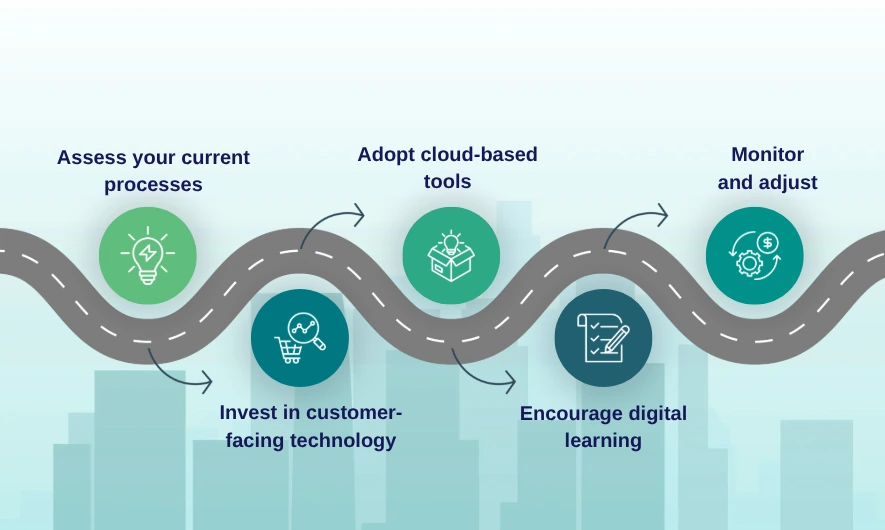
To begin the journey, assess your current processes to identify bottlenecks or repetitive manual tasks that could benefit from automation.
Next, invest in customer-facing technology such as a CRM or online booking system to enhance service quality and improve retention.
Adopt cloud-based tools that offer scalability for accounting, marketing, and data storage, ensuring flexibility as your business grows.
Encourage digital learning within your team by providing training that helps them adapt and use new technologies confidently.
Finally, continuously monitor outcomes, gather feedback, and fine-tune your strategy to keep your transformation efforts effective and aligned with evolving goals. For organizations aiming to stay competitive, this complete guide on digital transformation and IT modernization offers strategic insights tailored for business leaders.
The Road Ahead
As emerging technologies like AI, IoT, and predictive analytics continue to advance, businesses that embrace digital transformation early will have a distinct advantage. They’ll operate more efficiently, deliver better customer experiences, and adapt faster to market changes.
At the end of the day, the message is clear: transformation isn’t about technology alone. It’s about future-proofing your business. The sooner you begin, the better positioned you’ll be to thrive in an increasingly connected world. Partner with experts who can help you design, implement, and optimize digital strategies tailored to your business goals.
[Ready to begin your transformation journey?]
Conclusion
Cloud Security Architecture acts as the backbone of a resilient cloud strategy. It aligns security controls, governance, and technology into a unified structure that defends against evolving threats.
Organizations that invest in a clearly defined architecture gain continuous visibility, simplified compliance, and stronger risk management. The ten-point checklist shared above ensures that identity, network, and data controls are consistently enforced.

