


Unlock the top cloud cost optimization techniques for 2026 that help businesses control spending, maximize cloud ROI, and ensure sustainable growth. Take control of your cloud budget and talk to our Cloud Management team today!
“If left unmanaged, spiraling cloud costs can threaten the long-term financial sustainability of innovation.”
– Eric Witt, VP Strategic Consulting Engagements at Tangoe.
It is a fact that as cloud usage grows, so do the associated costs. Many organizations face the challenge of keeping cloud spending under control while maintaining performance and service quality. Cloud cost optimization is the strategic approach to achieving both efficiency and financial sustainability. It ensures that every dollar invested in cloud infrastructure delivers measurable value.
Today, we will explore practical techniques, proven strategies, and the role of SaaS management platforms in helping organizations optimize their cloud expenses effectively.
Cloud cost optimization involves identifying and managing all the elements that contribute to cloud spending. It is not just about cutting costs but aligning cloud investments with business objectives. Effective optimization allows teams to improve predictability, streamline financial planning, and enhance overall unit economics.
In recent years, cloud spending inefficiencies have caused significant challenges for businesses. Overprovisioned resources, unused licenses, and a lack of cost visibility often result in wasted budgets. This makes cloud cost optimization a crucial discipline for maintaining competitiveness and financial health.
Overview
Choosing the Right Optimization Strategy
Each organization has unique workloads, data retention needs, and application architectures. Hence, a single optimization approach cannot address all cost-related issues. Selecting the right combination of techniques ensures that the engineering effort invested in optimization provides tangible benefits. The goal is to create a system where performance and cost efficiency coexist without compromising productivity or innovation.
Top Cloud Cost Optimization Techniques for Businesses
Here are the top techniques that can help organizations streamline cloud costs and drive greater ROI from their SaaS and cloud infrastructure investments.
1. Continuous Cloud Cost Monitoring
Cost monitoring is the foundation of an effective cloud optimization strategy. It involves consolidating all cloud expenses into a single view that gives finance and engineering teams full transparency. Dashboards and reports should display which departments or projects are generating costs, along with usage trends and potential areas for savings.
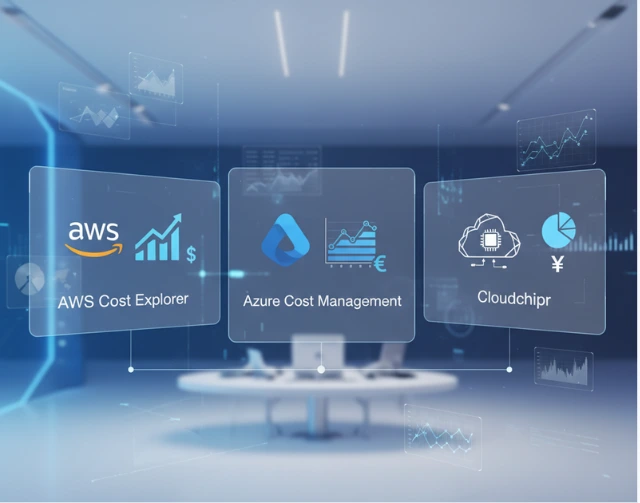
Monitoring tools like AWS Cost Explorer, Azure Cost Management, or Cloudchipr can track resource consumption, set budgets, and send alerts when thresholds are reached. To ensure accountability, each team must have access to dashboards that display its specific spending. This fosters a culture of ownership where every department is responsible for staying within budget.
Implementing tagging policies further improves cost visibility. Tags can be assigned to resources based on teams, projects, or applications. Over time, this allows for precise cost attribution and data-driven decision-making.
2. Detect and Address Cost Anomalies Early
Unexpected billing spikes can quickly erode budgets. Anomaly detection mechanisms can alert teams to unplanned expenses before they become major financial issues. Common sources of cost anomalies include excessive data transfers, unoptimized API requests, or unused storage growth.
Proactive anomaly management ensures that hidden costs are identified and resolved promptly. Automated alert systems, combined with regular cost audits, are vital to keeping budgets under control.
3. Rightsizing Cloud Resources
Rightsizing refers to matching your cloud resources to actual usage requirements. Many organizations over-provision instances or databases to ensure performance during peak hours, but this often leads to unnecessary costs.
The process involves analyzing CPU, memory, and storage utilization over time, then adjusting instance types or scaling down underused resources. Tools like Cloudchipr or AWS Compute Optimizer simplify this process through data-driven recommendations. Once implemented, rightsizing not only reduces spending but also improves overall system efficiency.
4. Identify and Eliminate Idle Resources
Idle resources are one of the biggest contributors to wasted cloud spending. Examples include unattached storage volumes, idle virtual machines, unused IP addresses, and inactive load balancers. Setting up automation policies can help identify and clean up these unused assets.
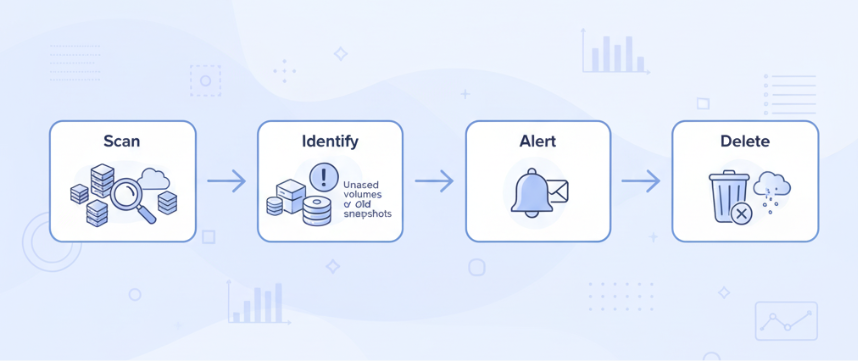
For instance, resources that remain inactive for more than a set period can be automatically flagged for review or deletion. Automation platforms can also enforce cleanup routines for development and testing environments, ensuring that non-critical systems do not run continuously and generate unnecessary expenses.
5. Adopt a Multi-Cloud Strategy
A multi-cloud strategy allows organizations to leverage the strengths of multiple providers such as AWS, Azure, and Google Cloud. Each platform offers unique pricing models and discounts. Diversifying workloads across providers prevents vendor lock-in and enhances negotiation leverage for future pricing agreements.
However, managing multiple cloud environments requires careful planning. Businesses must ensure they have the right visibility tools to track performance and costs across platforms. When done effectively, multi-cloud adoption leads to both flexibility and long-term cost advantages.
6. Eliminate Shadow Cloud Usage
Shadow cloud refers to unauthorized or unmonitored cloud services used by teams without IT or financial oversight. This often leads to duplicate subscriptions, inconsistent security policies, and uncontrolled expenses.
To eliminate shadow cloud, businesses should enforce centralized governance. Clear approval workflows, comprehensive visibility tools, and strict tagging policies ensure that every cloud resource is tracked and accounted for. Implementing periodic audits can further help identify and remove unapproved cloud instances.
Organizations looking to strengthen their governance framework can explore this detailed guide on cloud governance strategies, which outlines methods to maintain compliance and control while enabling flexibility across multi-cloud environments.
7. Implement Auto-Scaling Policies
Auto-scaling ensures that cloud resources match real-time demand. Instead of paying for idle capacity during low traffic periods, workloads automatically scale down when usage drops. During peak times, resources scale up to maintain performance.
Proper configuration is crucial. For example, defining scaling thresholds and cooldown periods prevents overreaction to temporary traffic spikes. Auto-scaling helps organizations pay only for what they need while maintaining reliable service availability.
8. Schedule Non-Production Environments
Many organizations leave development and testing environments running around the clock. Scheduling these environments to operate only during active work hours can lead to substantial savings. Cloud scheduling tools can automate start and stop times for non-production resources, reducing costs without affecting productivity.
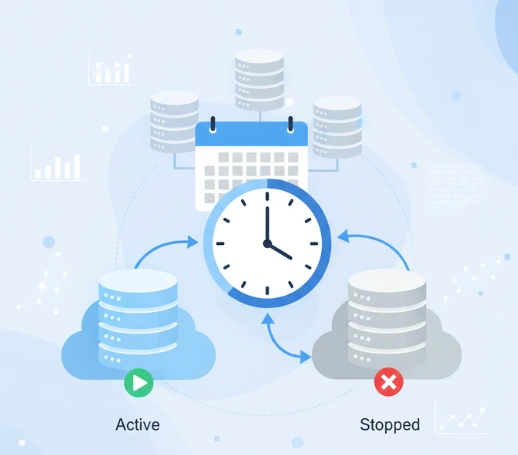
If a development environment operates eight hours a day instead of twenty-four, the business effectively reduces those costs by two-thirds. This simple yet effective strategy demonstrates how small operational adjustments can have a big financial impact.
9. Optimize Storage Costs
Data storage can quickly become one of the largest contributors to cloud expenses. Businesses should categorize data based on access frequency and retention requirements. Frequently accessed data can be stored in high-performance tiers, while archival data can be shifted to low-cost options like AWS Glacier or Google Cloud Archive.
Regular audits help identify duplicate or obsolete data that can be safely removed. Storage lifecycle policies further automate transitions between storage classes based on predefined rules, ensuring ongoing optimization.
10. Use Reserved Instances and Savings Plans
Most cloud providers offer long-term commitment programs that provide significant discounts in exchange for predictable usage. AWS Reserved Instances (RIs), Azure Reserved VM Instances, and Google Cloud Committed Use Discounts are examples of such programs.
These commitments can reduce costs by 30% or more compared to on-demand pricing. However, accurate forecasting is necessary to ensure the right balance between flexibility and savings.
Transform your cloud spending strategy.

How to Measure Cloud Cost Savings
Reducing a cloud bill once does not necessarily mean costs are under control. Businesses should track the results of cost-saving initiatives over time to understand what changed and where further action is needed.
Start by comparing cloud spending against a consistent baseline. Track monthly costs, cost per application, cost per customer, and spending by department or project. These metrics can show whether cloud expenses are growing in line with business usage.
It is also important to separate one-time savings from recurring savings. Removing unused resources may reduce the bill immediately, while rightsizing and scheduling non-production environments can continue reducing monthly expenses.
Review savings after major changes and compare them against usage and performance data. A lower bill should not come at the expense of application availability or user experience.
Regular reporting gives finance and technical stakeholders a clear view of savings achieved, remaining opportunities, and areas that need attention. This turns cloud cost management into a measurable business practice rather than a one-time cleanup exercise.
SaaS Management Tools for Smarter Cloud Spending
While implementing these techniques manually is effective, it can be time-consuming. SaaS management platforms such as CloudFuze Manage provide an integrated approach to monitoring, analyzing, and reducing cloud costs.
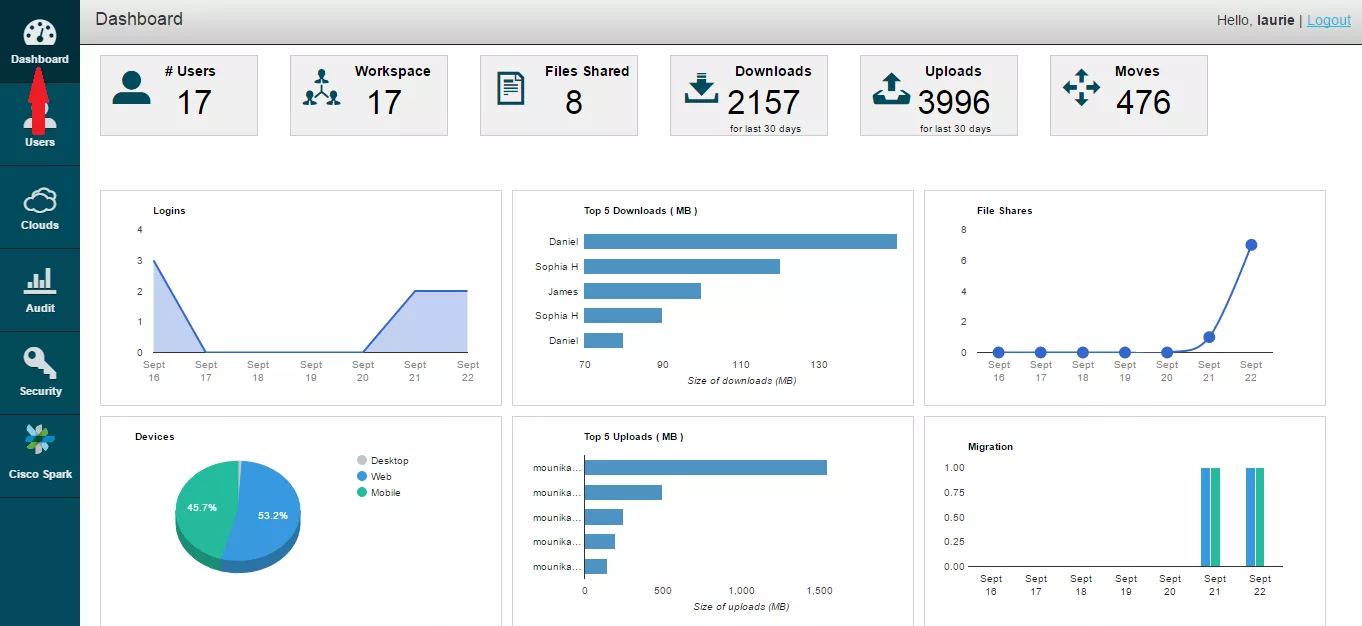
Here’s how a tool like CloudFuze Manage adds value to your cloud cost optimization journey:
- Get a unified view of all SaaS and cloud services used across the organization.
- Identify inactive licenses and eliminate overlaps automatically.
- Access real-time reports that highlight where money is being spent and where savings are possible.
- Manage resources across major providers like AWS, Azure, and Google Cloud through a single interface.
- Automate onboarding and offboarding processes to ensure licenses are efficiently reassigned.
These features help businesses regain control over their cloud budgets, optimize resource utilization, and simplify financial management.
A global e-commerce company noticed that its monthly cloud bills were rising faster than revenue growth, despite stable customer traffic.
After implementing a centralized cost monitoring platform, the team discovered multiple inactive development environments and overlapping SaaS licenses across departments. They then introduced automated offboarding and rightsizing policies through a SaaS management tool, which reduced unnecessary cloud consumption.
Within three months, the company cut overall cloud expenses by 28% and improved cost visibility across all teams. The initiative not only optimized spending but also empowered finance and IT leaders to make data-driven decisions about future infrastructure investments.
Best Practices for Long-Term Cloud Cost Optimization
Short-term fixes may provide immediate savings, but long-term efficiency requires consistent effort and cultural alignment. Below are a few practices that help sustain optimization:
- Involve every department in monitoring and managing its cloud usage.
- Cloud usage evolves rapidly; regular reviews help maintain realistic spending limits.
- Use forecasting tools to anticipate cost trends and prevent overconsumption.
- Educating teams helps align technical decisions with financial outcomes.
These habits transform cloud cost optimization into an ongoing business process rather than a one-time activity.
Conclusion
As cloud ecosystems grow more complex, optimizing costs becomes both a technical and strategic imperative. Organizations that actively manage their cloud expenses not only achieve significant savings but also gain financial flexibility to invest in innovation.
Implementing the right mix of monitoring, automation, and multi-cloud strategies helps ensure that every dollar spent contributes to measurable business value.
Cloud cost optimization is ultimately about balance. The businesses that master this balance position themselves to scale confidently and sustainably in the evolving world of cloud computing.

