


Discover how Headless Ecommerce boosts flexibility, speed, and customer experience while transforming the future of online selling, with guidance from our ecommerce consulting services.
Why Headless Ecommerce Is Changing the Ways of Businesses

Headless Ecommerce simply means separating the front end of your online store (the part your customers see) from the back end (your data and operations). When both layers work independently, brands gain the freedom to create unique shopping experiences without breaking their systems.
This approach relies on APIs, experience managers, and tools such as Heroku and Mulesoft, often supported by expert IT partners. Together, they help businesses roll out fresh features faster and stay ahead of changing customer behavior.
In traditional setups, updating designs or features can disrupt your entire site. With Headless Ecommerce, front-end changes no longer interfere with the back end, making it a game changer for modern brands.
An Overview
- Headless Commerce vs Traditional Ecommerce
- Benefits of Headless Ecommerce
- Disadvantages to Keep in Mind
- Cost of Headless Ecommerce
- How Headless Ecommerce Impacts Customers
- Implementation Options
- How to Prepare for a Headless Ecommerce Migration
- How a Headless Ecommerce Site Works
- Benefits Over Traditional Ecommerce
- Real-World Use Cases
- What to Consider Before Going Headless
Headless Commerce vs Traditional Ecommerce
Traditional ecommerce platforms link the storefront directly to the back-end logic. While this is fast to launch and easy to manage, it limits customization and integration. A simple homepage redesign could accidentally break inventory or payment systems.
In contrast, Headless Ecommerce separates both layers, allowing endless flexibility, personalization, and integration possibilities.
Benefits of Headless Ecommerce
1. Fast Speed and Agility
Businesses using headless systems often see 20% faster load times and a 23% lower bounce rate. Monolithic systems can take up to 10 seconds to load since they rely on server-side applications and databases. A headless setup delivers sub-second load times across devices because API calls pull only the content, not the processes. Updates become quicker too, front-end changes don’t affect the back end, improving agility and performance.
2. Omnichannel Experience
Nearly 73% of shoppers use multiple channels while buying. A headless system unifies every platform using APIs for a consistent buying journey, be it on Alexa, Google Home, or social media. With a shared database, you can manage all channels without rebuilding your backend. It ensures your brand remains consistent and accessible everywhere customers shop.
3. Flexibility for Developers
Traditional ecommerce restricts developers with fixed stacks and processes. In Headless Ecommerce, front-end developers can use any tech stack and connect to the backend through APIs.
You can integrate:
- CMS: Content Management System
- DXP: Digital Experience Platform
- PWA: Progressive Web Apps
This setup boosts development efficiency and gives better control over store experiences.
4. Customization and Personalization
Headless systems give brands freedom to create storefronts specific to each channel. You can customize layouts, add unique UIs, and design localized themes with preferred languages and currencies. Unlike template-based platforms, this model lets you maintain brand identity while improving loyalty and recognition.
5. Better Conversion Rates
Headless architecture lets you A/B test different designs, add new features, and run marketing campaigns easily. You can even enable voice or VR shopping, improving engagement and conversions across multiple sales funnels.
6. Better Customer Experience
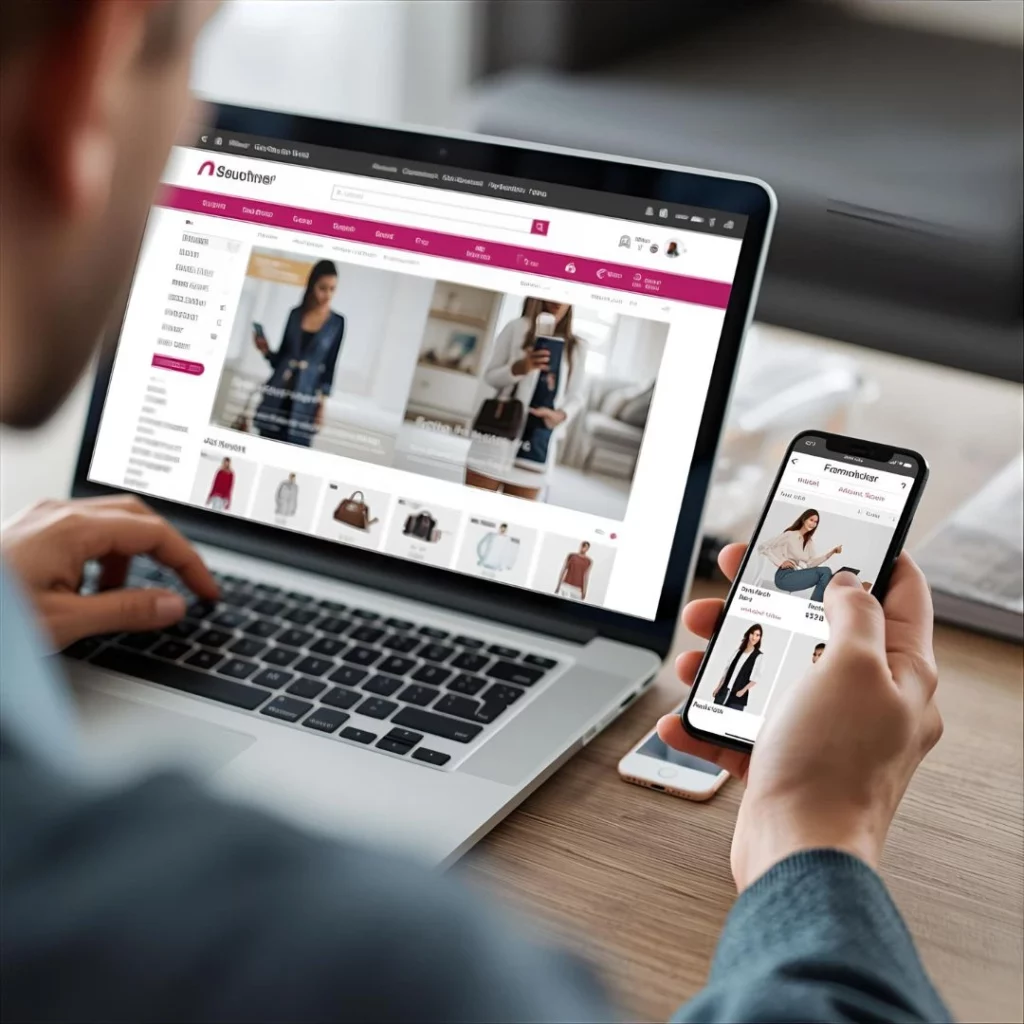
Traditional content often appears poorly on mobile. With Magento 2 headless ecommerce, responsive designs adapt perfectly to any screen. Designers can personalize layouts for websites, mobile apps, and social networks, making buying effortless and enjoyable.
Disadvantages to Keep in Mind
- Customization takes time: It requires skilled setup and isn’t ideal for those seeking quick launches.
- Manual updates: Each update must be implemented manually, requiring some technical resources.
Cost of Headless Ecommerce
Costs vary based on features, hosting, and maintenance. To manage expenses effectively, set clear goals and define what success looks like before choosing a platform or vendor.
Ask vendors questions like:
- Can your solution deliver the experience we want?
- Do you offer setup and delivery support?
- What post-launch help do you provide?
A reliable partner helps balance cost with customization while keeping uptime and reliability intact.
How Headless Ecommerce Impacts Customers
Nearly three-quarters of customers expect personalized shopping. Headless systems make it easy to meet these needs through:
- Instant updates: Front-end changes appear instantly for users.
- Faster sites: Load times stay consistent even during peak traffic.
- Multi-channel shopping: Integrate new platforms like AR, voice assistants, or social shops without a complete overhaul.
Implementation Options
You can:
- Buy a ready headless platform with pre-built APIs.
- Build your own for full control.
- Combine both, using templates or pre-coded modules from vendors like Commerce Cloud for faster deployment.
These templates include web storefronts, PWA, and native mobile apps, all designed for quick customization and scalability.
Power Your Store With Headless

How to Prepare for a Headless Ecommerce Migration
Moving from a traditional ecommerce platform to a headless architecture requires more than selecting a new frontend. Businesses should first map their existing storefront, backend systems, APIs, integrations, and customer journeys.
Start by identifying which parts of the current platform need to change and which can remain in place. Review integrations with payment gateways, inventory systems, CRM platforms, CMS tools, analytics platforms, and other services.
Also define the frontend experience before development begins. Determine which channels need to be supported and which features are essential for launch.
A phased migration can help reduce disruption. Businesses can begin with a specific storefront or customer journey, test the new architecture, and gradually move additional components.
Remember to consider performance, security, testing, and monitoring throughout the migration. Clear ownership, timelines, and rollback plans can help manage unexpected issues during the transition.
How a Headless Ecommerce Site Works
Just like a headless CMS, requests pass through APIs. For instance, when a user clicks “Buy,” the front-end sends an API request to the backend to process the order. The backend then updates the customer with order status, all through API calls.
Benefits Over Traditional Ecommerce
Headless systems outperform traditional ones in several areas:
- Frontend Design Process: Developers can craft unique experiences without rigid frameworks.
- Security: The smaller attack surface reduces DDoS risks.
- Digital Experiences: It allows new interactive experiences beyond websites.
- Personalization: Both admin and buyer interfaces can be fully customized.
Real-World Use Cases
- The Sazerac House: Used headless commerce to blend online and offline shopping with curbside pickup options.
- Olam Group: Cut cart abandonment from 60% to 30% with personalized user experiences.
- Pentair: Unified B2B and B2C touchpoints under one site for smoother navigation.
- TiVo: Enabled purchases directly through streaming interfaces for better convenience.
What to Consider Before Going Headless
- Business Needs: Define goals and audience first.
- API Integrations: Ensure your systems connect smoothly.
- Scalability: Plan for traffic and volume growth.
- Development Skills: Make sure your team can handle the technical setup.
- Total Cost: Consider setup, maintenance, and API usage fees.
Conclusion
Partnering with a skilled headless ecommerce development agency ensures your platform runs efficiently and scales as your business grows.

