


Stay ahead with the key digital transformation trends for 2025. Explore how SMEs can leverage AI, automation, IoT, and emerging technologies like blockchain and AR/VR to innovate, scale, and stay competitive.
Stay ahead with the key digital transformation trends for 2025. Explore how SMEs can leverage AI, automation, IoT, and emerging technologies like blockchain and AR/VR to innovate, scale, and stay competitive.
The year 2025 marks a turning point for small and medium enterprises. What was once a choice between digital and traditional business models has now become a matter of survival. Across every sector, companies are discovering that transformation is no longer about technology alone, it’s about building a smarter, more adaptable business.
Digital transformation is less about buying new tools and more about embedding intelligence into every process. The businesses that thrive will be those that blend human creativity with technology-driven precision to create experiences, products, and operations that evolve continuously.
Markets are evolving faster than ever before. Customer expectations, supply chains, and competitive strategies are all being reshaped by technology. Transformation helps companies adjust business models, improve efficiency, and unlock new revenue opportunities faster than traditional approaches ever could.
Today’s consumers expect personalization, speed, and transparency. Digital technologies help SMEs gather and interpret customer data, enabling them to understand preferences and predict behaviors. This translates into improved service delivery, loyalty, and a stronger brand reputation. In essence, digital transformation allows smaller businesses to compete on the same level as industry giants.
Transformation also empowers teams. Modern collaboration tools, automation systems, and AI-powered platforms eliminate repetitive tasks and simplify communication. This helps employees focus on innovation, problem-solving, and delivering better customer experiences—key ingredients in sustaining growth.
Overview
Top Digital Transformation Trends for 2025
AI, ML, and AIOps
Artificial Intelligence and Machine Learning continue to lead the way in helping businesses make data-driven decisions. AIOps extends this intelligence into IT operations, enabling real-time issue detection, self-healing systems, and performance optimization. SMEs adopting these technologies gain predictive capabilities that were once reserved for large enterprises. If you’d like to dive deeper into how AIOps drives smarter automation and faster issue resolution, explore this blog on digital transformation with AIOps.
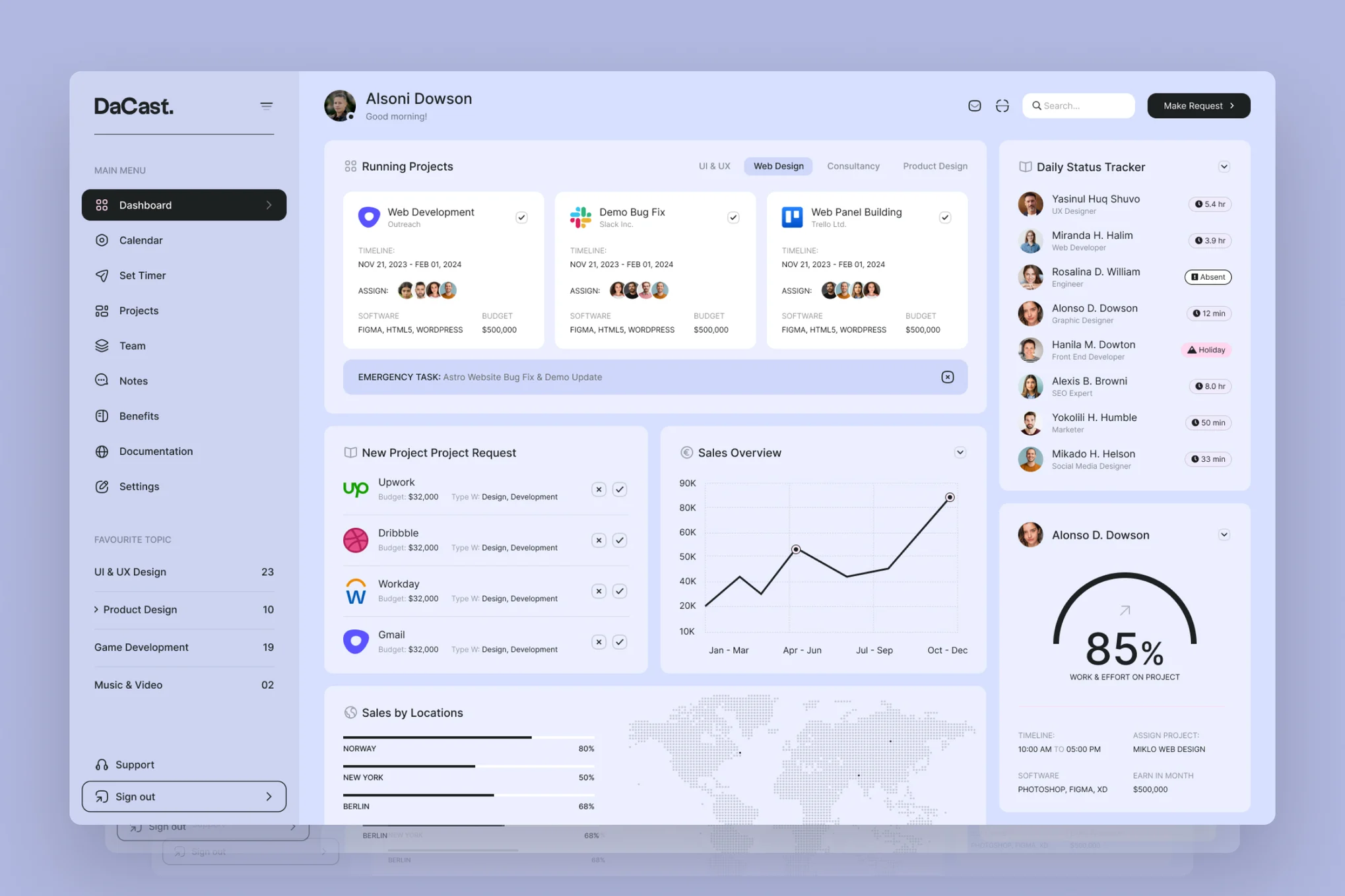
Take a mid-sized logistics company that uses AI-driven forecasting to predict shipment volumes during peak seasons. Machine learning algorithms analyze years of delivery and order data to recommend optimal routes and inventory levels.
Meanwhile, their IT team relies on AIOps platforms to monitor network performance and detect issues automatically. Instead of firefighting outages, the system fixes minor glitches before they disrupt operations. The result is faster service, lower costs, and happier customers.
Generative AI
Generative AI has evolved from content creation to strategic automation. Combined with agentic AI, it’s enabling systems to make independent decisions within defined goals. This means faster customer service, adaptive marketing, and intelligent product design.
Imagine a fashion retailer that uses generative AI to craft personalized product descriptions, ads, and emails based on customer preferences.
On the support side, agentic AI assistants handle common queries, learn from interactions, and escalate complex issues only when needed. This balance of automation and human oversight allows teams to focus on strategy and creativity while customers receive instant, consistent support.
Quantum Computing
Quantum computing is beginning to influence industries such as finance and logistics by processing complex data sets at incredible speeds. While it’s still early for widespread SME use, forward-thinking organizations are exploring partnerships and pilot programs to future-proof their operations.
For instance, a financial consultancy partners with a quantum cloud provider to enhance its risk analysis models.
Quantum algorithms process complex portfolio data in seconds, uncovering correlations that classical computing would take days to find. For SMEs working with large datasets, such collaborations unlock powerful insights and faster, more confident decision-making.
Hyperautomation
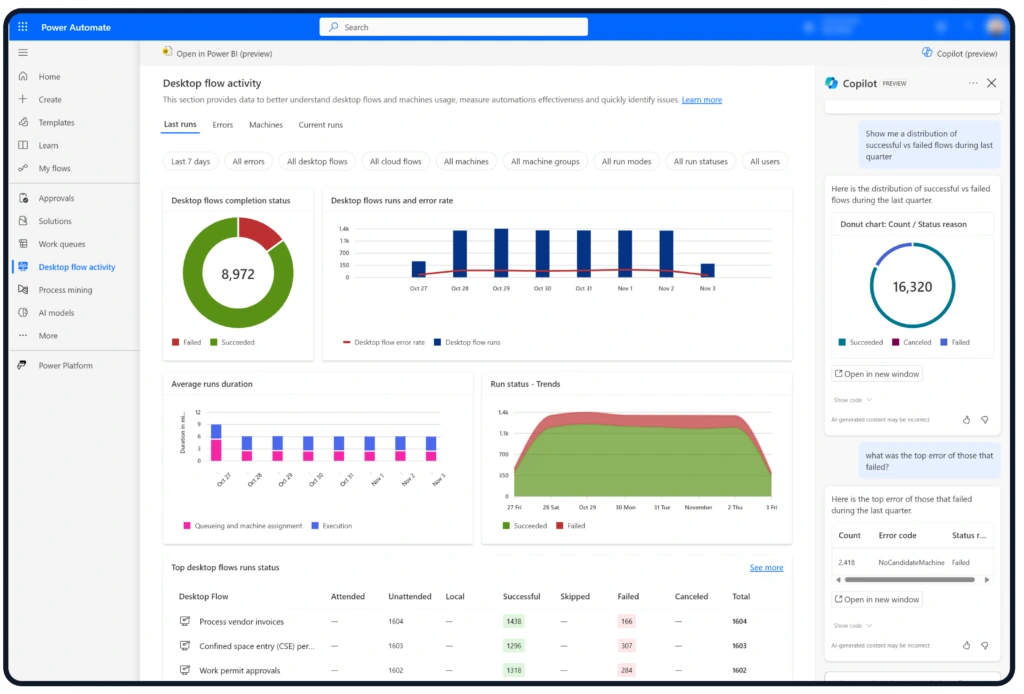
Hyperautomation integrates AI, RPA, and analytics to automate entire business processes. Unlike simple task automation, it enables systems to learn, adapt, and improve over time. SMEs benefit through faster turnaround times, lower costs, and improved consistency in service delivery.
Edge Computing and IoT
With the rise of IoT devices, edge computing brings processing power closer to where data is generated. This allows faster decision-making and reduced latency. This helps industries like manufacturing, logistics, and retail that depend on real-time analytics.
Low-Code and No-Code Platforms
Low-code and no-code tools are giving non-technical employees the power to create apps and workflows. This democratization of development speeds up innovation and allows SMEs to respond quickly to market demands without relying heavily on external developers.
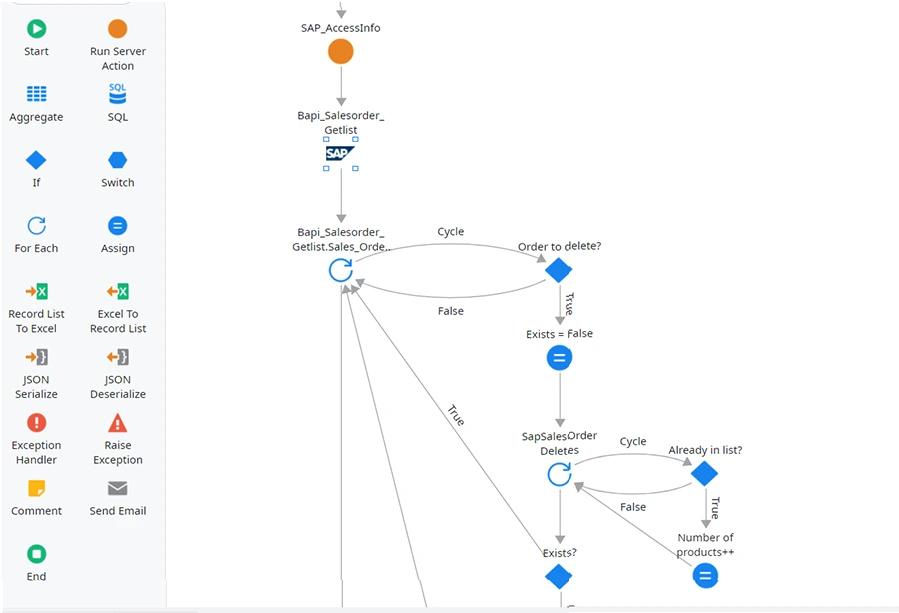
These platforms empower teams to innovate faster, respond to challenges immediately, and reduce dependency on external developers.
Next-Gen Connectivity
As 5G becomes mainstream and 6G development begins, connectivity is improving exponentially. These networks enable real-time collaboration, autonomous operations, and smart city integration. Thereby, creating vast opportunities for small businesses ready to embrace them.
A retail chain uses 5G networks to manage real-time inventory tracking across stores. Smart shelves equipped with IoT sensors automatically update stock levels, helping managers reorder products before they run out.
As 6G emerges, this connectivity will support even more advanced applications like immersive AR shopping experiences and AI-driven predictive logistics.
Cybersecurity Resilience
Every advancement brings new risks. SMEs, often the target of cyberattacks, must adopt modern security frameworks. Enhanced identity management, zero-trust architectures, and AI-driven threat detection are becoming essential components of digital resilience.
A fintech startup demonstrates this perfectly. It combines zero-trust architecture with biometric authentication to secure sensitive transactions. AI-based threat detection tools continuously monitor system activity, flagging suspicious behavior instantly.
This proactive approach not only prevents attacks but also builds lasting trust among clients and partners.
Digital Twins
Digital twins replicate physical assets and systems in virtual form, allowing businesses to monitor, simulate, and optimize performance. In 2025, this technology will help manufacturers, logistics providers, and utilities predict failures before they occur.
A renewable energy SME, for example, creates virtual replicas of its wind turbines. These digital twins collect live sensor data, allowing engineers to simulate wear and forecast maintenance schedules.
Instead of reacting to problems, the company anticipates them. Thereby, saving time, reducing costs, and improving energy output.
Big Data and Analytics
Data remains the foundation of transformation. SMEs using advanced analytics can predict demand, improve supply chain efficiency, and make smarter investment decisions. The goal is to move from reactive management to proactive growth.
A hospitality group leverages analytics tools like Power BI to study booking patterns and guest preferences. The insights help them adjust pricing dynamically, personalize promotions, and improve occupancy rates.
Within months, they notice a sharp increase in repeat bookings and revenue, proving that smart data use can deliver measurable business impact.
New Strategies Defining Digital Transformation
Composable architecture empowers organizations to build modular systems that adapt quickly to change. Instead of depending on large, rigid solutions, businesses can assemble smaller, purpose-built components tailored to their needs. This flexibility minimizes reliance on legacy systems and accelerates innovation.
The most forward-thinking companies also invest in culture, encouraging employees to act like digital builders by experimenting, innovating, and improving continuously. This mindset shift turns technology from a cost center into a true driver of growth.
Cross-industry collaborations are another sign of transformation in action. Partnerships such as retail companies working with fintech firms or healthcare providers teaming up with logistics innovators are redefining how value is created. Companies that embrace these alliances gain faster access to new markets, customer segments, and cutting-edge technologies.
Start your digital transformation journey today!

Ethics, Responsibility, and Trust in Transformation
Corporate Digital Responsibility (CDR)
As technology becomes more influential, customers expect businesses to use it responsibly. Corporate Digital Responsibility ensures ethical data handling, transparent AI usage, and sustainable operations. Trust is fast becoming the most valuable business currency.
AI Governance and Disinformation Security
AI governance helps companies use artificial intelligence responsibly while managing risks related to bias, privacy, and misinformation. SMEs implementing governance frameworks strengthen accountability and maintain credibility in a digital-first marketplace.
Sustainable and Energy-Efficient Computing
Sustainability is now part of the business agenda. From renewable-powered data centers to energy-efficient algorithms, greener technologies are becoming key differentiators. SMEs integrating eco-friendly practices not only reduce operational costs but also appeal to environmentally conscious customers.
Emerging Technologies to watch out for in 2026
Blockchain and Distributed Ledgers
Blockchain enables tamper-proof record keeping, making it ideal for supply chains, finance, and legal documentation. Furthermore, it ensures accountability, reduces fraud, and builds customer confidence through verifiable transparency.
Digital Identity and Biometrics
Passwordless authentication, face ID, and voice recognition are replacing outdated credentials. These technologies minimize phishing risks and strengthen compliance with data protection laws while simplifying user experiences.
AR/VR and Spatial Computing
Virtual and augmented reality are evolving into practical business tools. SMEs use them for virtual training, remote product demos, and immersive customer interactions, transforming engagement into memorable experiences.
Digital Assets and Tokenization
Digital assets are reshaping how businesses manage value. Tokenization allows real-world assets like real estate or carbon credits to be traded digitally, improving liquidity and opening new investment opportunities for organizations.
Execution Checklist
To make transformation sustainable, SMEs should:
Tick off each step as you complete it.
The future belongs to businesses that see transformation as an opportunity, not an obligation.
Conclusion
As 2025 unfolds, digital transformation will continue to evolve, driven by intelligence, ethics, and purpose. The businesses that thrive will be those that combine technology with human vision, leading their industries with adaptability and trust.
Transformation is no longer about keeping pace. It’s about shaping the pace for what comes next.

