


Artificial Intelligence (AI) has emerged as a revolutionary force in mobile app development, enabling developers to create apps that are not only functional but also intelligent and user-focused. Incorporating AI technologies significantly improves user experiences. It streamlines development and introduces innovative features previously unattainable with conventional programming techniques.
Key Areas of AI Integration in Mobile Apps
Personalization
AI algorithms process extensive user data to customize experiences to individual preferences and behaviors, which is essential for boosting engagement and fostering loyalty.
- Content Recommendations: Services like Netflix and Spotify utilize AI to suggest shows, movies, or music based on users’ past viewing or listening habits. This tailored approach keeps users engaged by consistently offering relevant content.
- E-commerce Suggestions: Retail apps such as Amazon use AI to recommend products based on users’ past purchases and browsing behavior, improving the shopping experience and encouraging repeat visits.
Natural Language Processing (NLP)
Natural Language Processing (NLP) allows mobile applications to understand and process human language, enabling more seamless interactions between users and apps.
- Chatbots and Virtual Assistants: Numerous applications incorporate AI-driven chatbots to deliver immediate customer support. For example, banking apps use these chatbots to assist users with account-related inquiries, making user interactions more efficient and user-friendly.
- Voice Recognition: Applications like Google Assistant use NLP to interpret voice commands, enabling users to interact with their devices naturally and improving accessibility and usability.
Machine Learning (ML)
Machine learning models let applications learn from data over time, improving functionality and decision-making.
- Predictive Analytics: Apps can analyze patterns in user behavior to predict future actions. For instance, fitness applications may recommend workouts based on a user’s previous activities, helping to keep users motivated and engaged.
- Behavioral Insights: By examining user interactions, apps can dynamically adjust features to keep content relevant and engaging.
Computer Vision
AI-driven computer vision technology lets mobile applications interpret visual data effectively.
- Augmented Reality (AR): Apps like Snapchat utilize computer vision for AR filters that enhance user interaction by overlaying digital elements onto the real world.
- Facial Recognition: Applications such as Face ID on iPhones use computer vision for secure authentication, improving user experience while strengthening security.
Need Help with Mobile App Development?

Automation
AI automates repetitive tasks within both the development process and user interactions.
- Task Automation: Mobile applications can streamline routine functions such as scheduling reminders or managing tasks. For example, productivity apps leverage AI to recommend optimal meeting times based on users’ calendars.
- Testing and Development: Developers can use AI tools for automated testing, which significantly reduces quality assurance time and lets them focus on more complex issues.
Emotion Recognition
AI’s ability to identify human emotions boosts user engagement by adjusting app responses based on emotional cues.
- User Experience Enhancement: Applications can modify how they deliver content or send notifications based on recognized emotions through facial recognition or tone analysis. For instance, an educational app might change its approach if it detects frustration in a user’s voice.
Benefits of AI in Mobile App Development
Enhanced User Experience
AI offers numerous advantages in mobile app development, significantly enhancing user experiences through more engaging and intuitive interactions.
- Personalized Interactions: AI algorithms assess user behavior and preferences to provide customized experiences. For instance, streaming platforms like Netflix use AI to recommend shows based on users’ viewing history, helping users discover content that aligns with their interests. This level of personalization deepens users’ connection to the app, ultimately boosting satisfaction and loyalty.
- Adaptive Interfaces: AI can develop adaptive user interfaces that change according to user context, such as location or time of day. For example, a travel application may showcase nearby attractions when a user is in a new city, making the app more relevant and practical.
Increased Efficiency
AI tools enhance app performance by automating repetitive tasks, resulting in faster development cycles and more efficient use of resources.
- Automation of Routine Tasks: AI can automate tasks such as data entry, testing, and customer support. This lets developers focus on more complex issues, boosting overall productivity. For instance, AI-driven testing tools can automatically detect bugs and recommend fixes, significantly shortening quality assurance time.
- Faster Data Processing: AI algorithms can process large volumes of data much faster than humans. This is especially advantageous for applications that depend on real-time data analysis, such as financial trading apps that must respond immediately to market fluctuations.
Improved Security
AI enhances application security with advanced features that help identify potential threats in real time.
- Anomaly Detection: AI systems can analyze user behavior patterns to detect anomalies that may signal fraudulent activity or security breaches. For example, banking applications can flag unusual transactions for further investigation, helping to safeguard users against fraud.
- Facial Recognition: Many mobile apps now incorporate AI-powered facial recognition technology for secure authentication. This not only boosts security but also improves convenience by allowing quick access without passwords.
Better Decision Making
AI gives developers access to extensive data, helping them make informed choices about app features and user-engagement strategies.
- Predictive Analytics: AI can analyze historical data to anticipate future trends and user behaviors. For example, e-commerce applications can use predictive analytics to recommend products users are likely to buy based on their browsing history, boosting conversion rates.
- Data-Driven Insights: By employing AI tools for data analysis, developers can gather insights into user preferences and behaviors. This information is invaluable for refining app features and enhancing overall user engagement.
Cost Reduction
Incorporating AI into mobile app development can lead to substantial cost savings over time.
- Reduced Development Costs: By automating parts of the development process, companies can lower labor costs tied to manual coding and testing. Shorter development cycles also enable faster time-to-market for new features or applications.
- Lower Maintenance Costs: AI-driven applications typically require less ongoing maintenance because they can learn from user interactions and adapt accordingly. This minimizes the need for frequent updates or fixes.
Enhanced Customer Support
AI improves customer support through intelligent systems that offer instant assistance.
- Chatbots and Virtual Assistants: Many mobile applications now feature AI-powered chatbots that can answer common questions or guide users through processes around the clock. This immediate support enhances user satisfaction and alleviates the workload on human customer service representatives.
- Sentiment Analysis: AI can assess customer feedback and reviews to understand user sentiment regarding an app or feature. Gaining insights into user emotions allows developers to make necessary adjustments to improve satisfaction.
Common AIOps Use Cases
AIOps can support several areas of IT operations beyond incident management and infrastructure monitoring. Common use cases include:
Log Analysis and Event Correlation
AIOps can analyze logs and events from multiple systems to identify related issues. Correlating this information helps reduce alert noise and gives IT professionals more context when investigating incidents.
Capacity Planning
AIOps can analyze historical resource usage and current workload patterns to identify future capacity requirements. This can help organizations plan infrastructure changes before resource constraints affect application performance.
Application Performance Monitoring
AIOps can monitor application performance alongside infrastructure and network data. By connecting these data points, it can help identify whether performance problems stem from application behavior, infrastructure resources, or dependencies.
Automated Incident Response
AIOps can trigger predefined actions when known conditions occur. Common actions include restarting services, routing incidents, or executing remediation scripts. Automation can reduce manual intervention for repetitive operational issues.
Cloud and Infrastructure Monitoring
AIOps can bring data from cloud, on-premises, and hybrid environments into a common view. This helps organizations identify unusual activity, resource issues, and performance changes across distributed infrastructure.
Challenges in Integrating AI into Mobile App Development
1: Complexity of Implementation
Developing AI-driven features requires specialized knowledge and resources that may not be readily available to all developers.
- Technical Expertise: Implementing AI technologies often demands a deep understanding of machine learning algorithms, data science, and AI frameworks. Many development teams may lack the necessary expertise, leading to delays and higher costs during development.
- Integration with Existing Systems: Incorporating AI components into existing app architectures can be complex and time-consuming. Ensuring compatibility with legacy systems and other software components necessitates careful planning and execution, complicating the development process.
2: Data Privacy Concerns
Collecting and analyzing user data for AI applications raises significant privacy issues.
- Regulatory Compliance: Developers must comply with stringent data protection regulations such as GDPR (General Data Protection Regulation) and CCPA (California Consumer Privacy Act). Ensuring compliance can be challenging and may require additional resources for legal consultation and implementation of privacy measures.
- User Trust: Users are increasingly concerned about how their data is utilized. Failing to address privacy concerns can lead to mistrust and decreased user engagement, ultimately affecting retention rates.
3: Dependence on Quality Data
The effectiveness of AI algorithms heavily relies on the quality of the data used for training.
- Data Availability: Accessing high-quality, relevant data can be a challenge. Inadequate or poorly structured data can result in inaccurate predictions and suboptimal app performance.
- Data Bias: If the training data contains biases, the resulting AI models may perpetuate these biases, leading to unfair or discriminatory outcomes. Developers must ensure that their datasets are diverse and representative to mitigate this risk.
4: Resource Constraints
AI models often require substantial computational power and storage resources.
- Performance Limitations: Mobile devices have limited processing capabilities compared to cloud-based systems. Developers must optimize AI algorithms to avoid degrading app performance or the user experience, especially on lower-spec devices.
- Cost Implications: The infrastructure required for running complex AI models can be costly. Organizations must weigh the benefits of integrating AI against the potential financial burden associated with maintaining the necessary hardware and software.
5: Ethical Concerns
As AI becomes more prevalent in mobile apps, ethical considerations surrounding its use become increasingly important.
- Algorithmic Bias: There is a risk that AI algorithms may unintentionally discriminate against certain user groups based on biased training data. Developers must prioritize fairness in their AI implementations by regularly auditing algorithms for bias.
- Transparency and Explainability: Users may be skeptical of AI decisions if they cannot understand how those decisions are made. Ensuring transparency in AI processes is essential to build user trust.
6: Integration with Existing Systems
Integrating new AI features into existing applications can pose significant challenges.
- Compatibility Issues: Differences in codebases, data formats, and exchange protocols can lead to integration problems. This requires developers to adopt an incremental approach, starting with less critical features before scaling up.
- Legacy Systems: Many organizations rely on outdated systems that may not easily accommodate new AI technologies. This can necessitate extensive refactoring or even complete overhauls of existing applications.
7: High Computational Demands
AI models often require significant processing resources, which can strain mobile devices.
- Cloud vs. On-device Processing: Developers must decide whether to perform heavy computations on-device or offload them to cloud-based services. Balancing performance and user experience is crucial; overreliance on cloud processing can cause latency that frustrates users.
8: Lack of Talent
Demand for skilled AI development professionals often exceeds supply.
Talent Shortage: Finding qualified developers who possess both mobile app development skills and expertise in AI technologies can be difficult. Organizations may need to invest in training or collaborate with external experts to bridge this gap.
Future Trends in AI for Mobile Apps
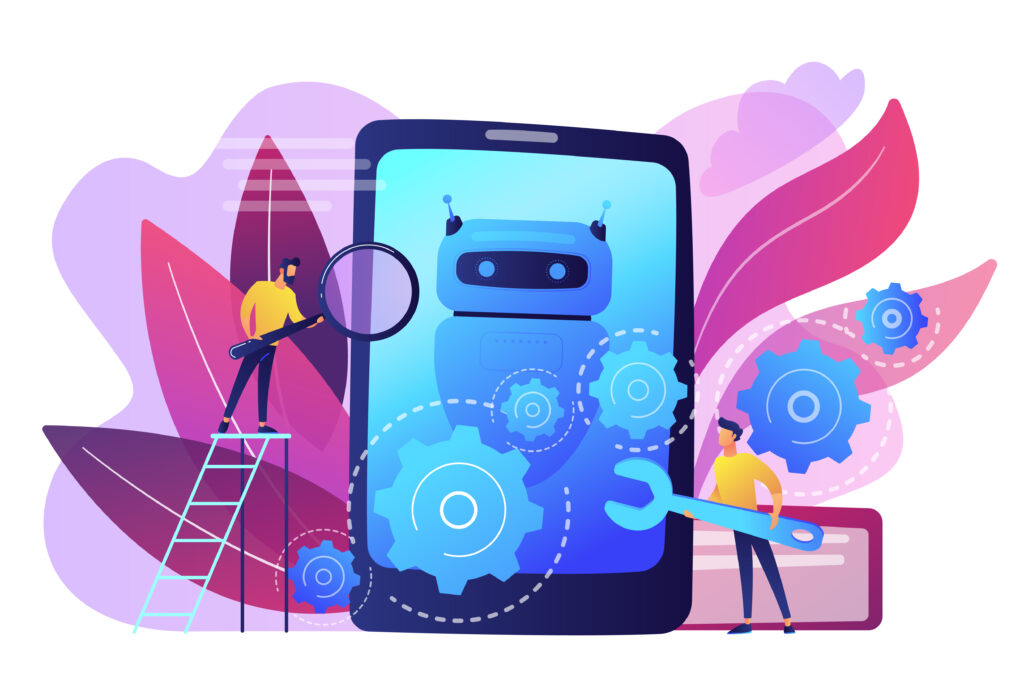
1: More Intelligent Applications
Future mobile apps will incorporate advanced machine learning algorithms that enable them to better anticipate user needs and preferences.
- Context-Aware Features: Apps will utilize contextual data such as location, time, and user behavior to offer relevant suggestions and content. For instance, a travel app could provide personalized itineraries based on a user’s past trips and current location.
- Emotion Recognition: AI will enable apps to identify user emotions through facial recognition and sentiment analysis, allowing adaptive responses that improve user satisfaction.
2: Greater Integration with Emerging Technologies
AI will increasingly collaborate with emerging technologies like the Internet of Things (IoT), wearables, and blockchain.
- Seamless Experiences: As IoT devices become more common, mobile apps will connect with these devices to create a unified user experience. For example, smart home apps could use AI to learn user habits and automate home settings accordingly.
- Blockchain for Security: Integrating AI and blockchain can bolster transaction security by providing transparent, tamper-proof records while using AI for fraud detection.
3: Enhanced User Engagement Strategies
Developers will use AI-driven insights to continuously refine app features, improving user retention through tailored experiences.
- Dynamic Content Delivery: Apps will use AI to adjust content in real time based on user interactions, ensuring users receive the most relevant information or offers at the right moment.
- Gamification Elements: By analyzing user behavior, apps can implement gamification strategies that resonate with users, such as rewards or challenges tailored to their interests.
4: Intelligent Automation
Intelligent automation will reshape how users interact with mobile applications.
- Automated Workflows: Apps will automate complex workflows based on user input and historical data, enhancing efficiency. For example, productivity apps may automatically schedule tasks by priority and deadline.
- Proactive Customer Support: AI chatbots will not only respond to inquiries but also anticipate user needs by analyzing past interactions, providing proactive support that enhances the overall experience.
5: AI-Enhanced Security
As digital threats evolve, AI’s role in bolstering mobile app security will become increasingly vital.
- Real-Time Threat Detection: AI algorithms will monitor user behavior to detect anomalies that may indicate security breaches. For instance, unusual login patterns could trigger alerts or additional verification steps.
- Biometric Authentication: Integrating advanced biometric technologies (such as facial recognition or fingerprint scanning) powered by AI will enhance security while ensuring a seamless user experience.
6: Predictive Analytics
AI-driven predictive analytics will shape future interactions by analyzing past behaviors to forecast future actions.
- User Behavior Forecasting: Mobile apps will leverage predictive analytics to suggest features or content before users even realize they need them. For example, a fitness app might recommend workouts based on seasonal trends or upcoming events.
- Market Trend Analysis: Businesses can use predictive analytics to understand market trends and adjust their strategies accordingly to stay competitive.
7: Conversational Interfaces
The rise of AI-powered conversational interfaces will transform how users engage with mobile applications.
- Natural Language Processing (NLP): Enhanced NLP capabilities will enable chatbots and virtual assistants to engage in more natural conversations with users, improving accessibility and usability.
- Voice-Controlled Interactions: As voice recognition technology advances, more apps will incorporate voice commands for navigation and functionality, making interactions hands-free and intuitive.
8: Integration of Generative AI
Generative AI technologies are expected to play a significant role in future mobile applications.
- Content Creation: Apps may utilize generative AI to produce personalized content such as articles, images, or videos tailored to individual users’ preferences.+
- Dynamic User Interfaces: Generative design principles could lead to more adaptive UI elements that change based on user interactions and preferences.
9: Low-Code/No-Code Development Platforms
AI-powered low-code/no-code platforms will democratize app development.
- Empowering Non-Developers: These platforms enable users without extensive programming knowledge to create applications using visual interfaces and pre-built components. This trend can accelerate innovation by letting more people engage in app development.
- Rapid Prototyping: Developers can quickly prototype and test new ideas using low-code tools integrated with AI capabilities, facilitating faster iterations based on user feedback.
Real-World Examples of AI Improving User Retention in Mobile Apps

1: Personalized Recommendations
E-commerce Apps:
Platforms like Amazon and eBay utilize AI to analyze user behavior, purchase history, and browsing patterns. By offering personalized product recommendations, these apps ensure users encounter items that align with their interests, significantly boosting the likelihood of repeat visits and purchases. This tailored shopping experience fosters user loyalty and retention.
2: Predictive Analytics
Fitness Apps:
Applications such as MyFitnessPal leverage predictive analytics to suggest personalized workout routines based on users’ past activities and preferences. By anticipating users’ needs, these apps keep users engaged and committed to their fitness goals, thereby reducing churn rates.
3: AI-Powered Customer Support
Financial Services Apps:
Many banking and finance apps employ AI chatbots to provide instant customer support. For instance, Bank of America’s Erica chatbot assists users with account inquiries and transactions. This immediate assistance enhances user satisfaction and confidence in the app, leading to higher retention rates as users feel supported.
4: Gamification Elements
Educational Apps:
Apps like Duolingo use AI to adjust lesson difficulty based on user performance. By creating a gamified learning environment that adapts to individual progress, these apps maintain user interest and encourage regular use, which is crucial for retention.
5: Smart Push Notifications
E-commerce Platforms:
Retail apps use AI to optimize push notification timing and content based on user behavior patterns. For example, an e-commerce app might send alerts about sales or new product arrivals when users are most likely to engage with the app. This strategic approach increases interaction rates and reduces uninstall rates.
6: Dynamic Content Optimization
Media and News Apps:
Applications like Flipboard use AI to curate personalized news feeds based on users’ reading habits and interests. By continuously adapting content in real-time, these apps enhance user engagement and satisfaction, leading to improved retention rates as users find value in the tailored information provided.
7: Sentiment Analysis for User Feedback
Various Industries:
Many apps use AI-driven sentiment analysis tools to process user reviews and feedback effectively. By identifying common issues or highly valued features, developers can make informed updates that resonate with users. For instance, a travel app might enhance its features based on feedback analysis, increasing user satisfaction and retention.
[Want to learn more about the role of AI in mobile app development? Click here to reach us.]
Conclusion
The integration of Artificial Intelligence (AI) in mobile app development is transforming how applications are designed and experienced. By leveraging AI technologies, developers can create smarter applications that anticipate user needs, enhance engagement, and streamline processes.
Bobcares plays a pivotal role in this evolution, offering comprehensive mobile development services that seamlessly incorporate AI capabilities. With expertise in advanced mobile app development, Bobcares ensures that applications are not only functional but also user-centric. Their AI development support services help businesses boost user retention and satisfaction through innovative features.
In conclusion, embracing AI in mobile app development is essential for staying competitive in today’s digital landscape. Partnering with experts like Bobcares helps organizations build intelligent applications that foster long-term loyalty, promising a future where apps serve as valuable companions in our daily lives.

