


Dedicated hosting is a broad term, but each server is usually designed to fulfill a particular purpose. As a result, dedicated hosting comes in several types. Dedicated server hosting offers the highest levels of performance, security, and control. Different types are tailored to meet specific needs and demands.

Here are five common types of dedicated servers:
1: Standard Dedicated Server
Standard dedicated servers are highly versatile and customizable, designed to meet your business’s specific requirements. These servers offer significant flexibility, letting businesses tailor hardware configurations, storage options, and performance capabilities to their needs.
Many dedicated hosting providers enhance the user experience by including managed services such as server setup, regular maintenance, migration assistance, and technical support. These additional services simplify server management, allowing businesses to focus on their core operations without worrying about backend complexities.
Standard dedicated servers feature reliable and durable components. They incorporate air conditioning systems to maintain optimal temperatures and stable network connections for uninterrupted performance. They also include backup power supplies for continuity and robust data backup systems for added security. Compared to low-cost dedicated servers, standard servers deliver superior build quality, reliability, and performance.
These servers are particularly well-suited for businesses that have outgrown shared hosting or need higher computing power, security, and scalability. For companies experiencing rapid growth or managing resource-intensive applications, standard dedicated servers provide a dependable infrastructure to handle increased workloads effectively. They strike an ideal balance between performance and affordability, making them a popular choice for businesses seeking improved operational efficiency.
2: High-Performance Dedicated Server
High-performance dedicated servers are specifically designed to deliver exceptional computing power, making them ideal for handling resource-intensive tasks. These tasks often include hosting gaming servers, enabling seamless video streaming, performing complex scientific computations, and running machine learning algorithms. These servers serve businesses and applications that demand high reliability, speed, and processing power.
Equipped with robust hardware, high-performance dedicated servers typically feature multiple high-end CPUs, enabling rapid data processing and multitasking. They also include substantial RAM to support memory-intensive operations, such as real-time data analysis or advanced simulations. In addition, these servers utilize fast SSD storage, which significantly enhances data retrieval and read/write speeds, ensuring optimal performance even under heavy workloads.
High-performance dedicated servers are the go-to choice for organizations requiring top-tier performance, scalability, and efficiency. Whether powering a multiplayer gaming platform, supporting 4K video streaming, or training complex machine learning models, these servers provide the infrastructure needed to meet the demands of cutting-edge technologies.
Their unparalleled performance makes them a valuable asset for industries that rely on high computational power and data processing. This ensures smooth and efficient operations without compromising on quality or speed.
3: Storage Dedicated Server
Storage dedicated servers are designed to prioritize extensive storage capacity, making them ideal for applications that demand significant data storage. These servers support use cases such as file servers, backup servers, and data archiving, where storing and managing vast amounts of data is paramount.
Storage dedicated servers use multiple hard drives or SSDs to ensure reliability and efficiency. They configure these drives in RAID (Redundant Array of Independent Disks) arrays to enhance performance and provide data redundancy. RAID configurations keep data safe and accessible even if hardware fails, giving businesses peace of mind for critical data storage.
With scalable options to meet growing data needs, storage-dedicated servers provide a robust infrastructure for managing high-capacity storage requirements. They suit organizations with extensive datasets, such as media companies, research institutions, and enterprises that rely on centralized file management systems.
Advanced storage technologies also ensure high-speed data access and retrieval, enabling efficient workflows and uninterrupted operations. Storage dedicated servers are an essential choice for businesses aiming to securely store, back up, and access their valuable data with optimal performance.
4: GPU Dedicated Server
GPU (Graphics Processing Unit) dedicated servers are purpose-built to manage workloads that benefit from GPU acceleration. This makes them indispensable for advanced computing tasks. These servers are widely used for machine learning model training, artificial intelligence (AI) applications, scientific simulations, and 3D rendering. Their ability to handle parallel processing tasks with exceptional efficiency makes them a cornerstone of computationally intensive operations.
A GPU-dedicated server includes one or more high-performance GPUs designed to accelerate complex calculations and graphics-intensive workloads. These GPUs are complemented by powerful CPUs and ample RAM, ensuring a balanced system that delivers top-tier performance across all components. This robust architecture lets GPU servers process vast datasets, run complex algorithms, and render high-resolution graphics quickly and accurately.
GPU dedicated servers are particularly beneficial for industries such as gaming, healthcare, finance, and media, where computational power directly impacts outcomes. From analyzing large-scale genomic data to creating lifelike 3D animations, these servers provide the necessary infrastructure to tackle demanding tasks efficiently. With unmatched performance, GPU dedicated servers enable businesses to harness cutting-edge technologies and drive breakthroughs in innovation and productivity.
5: Managed Dedicated Server
Managed dedicated servers provide specialized hosting solutions that offload server management responsibilities to the hosting provider. The provider pre-configures and optimizes these servers, offering users a hassle-free hosting experience while delivering dedicated server performance benefits.
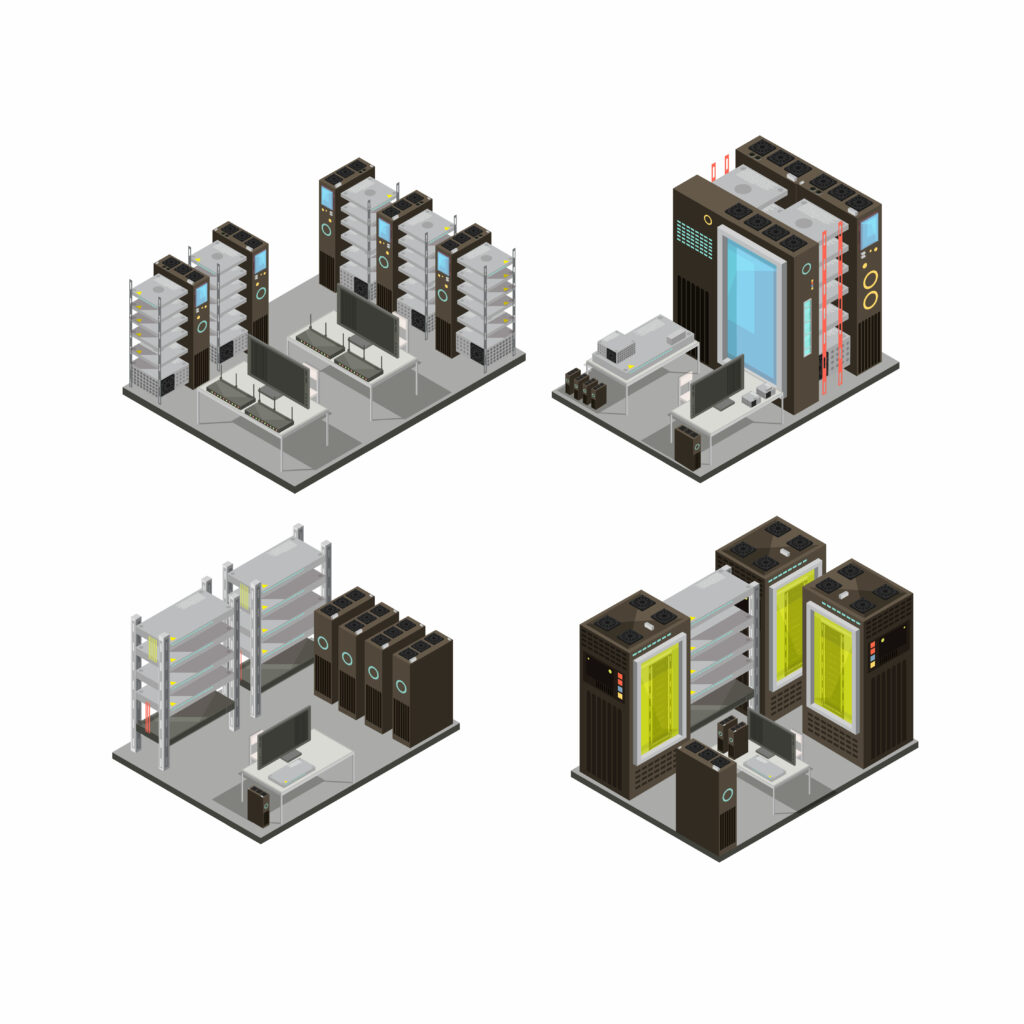
Key tasks the hosting provider handles include server setup, routine maintenance, security enhancements, software updates, and round-the-clock technical support. This keeps the server secure, up to date, and efficient without requiring in-depth technical expertise. With managed hosting, businesses can focus on their core operations rather than the complexities of server management.
These servers are particularly advantageous for businesses or individuals with limited IT resources or expertise. Managed dedicated servers cater to a wide range of needs, from hosting high-traffic websites and running complex applications to managing databases and ensuring data security.
The comprehensive management these servers provide makes them an ideal choice for organizations seeking a reliable, high-performance hosting solution. Businesses can enjoy the full advantages of dedicated hosting, including enhanced performance, security, and control. By delegating the technical responsibilities to skilled professionals, they avoid the challenges of day-to-day server administration.
6: Cheap Dedicated Servers
Cheap dedicated servers offer a budget-friendly solution to overcome the performance limitations of shared hosting. In shared hosting, resources such as bandwidth and server power are divided among multiple users, often leading to decreased stability and slower performance. On the other hand, cheap dedicated servers provide dedicated resources to a single user, ensuring improved stability and performance.

These servers are an excellent option for organizations that need reliable hosting but are budget-constrained. Although more affordable, cheap dedicated servers still offer significant improvements in performance, security, and control compared to shared hosting. This makes them an ideal choice for businesses that have outgrown shared hosting but are not yet ready for high-end dedicated hosting solutions.
Available from most major hosting providers, cheap dedicated servers deliver a solid hosting experience at a lower cost. They are especially beneficial for small to medium-sized businesses or startups that need dedicated resources for websites, applications, or databases without the expense of premium solutions. Cheap dedicated servers offer a good balance between affordability and performance. They ensure organizations can maintain reliable online operations while staying within budget.
7: Enterprise Dedicated Servers
Enterprise dedicated servers provide the highest levels of reliability, availability, and performance. This makes them ideal for large-scale businesses and organizations with demanding IT requirements. These servers feature enterprise-grade hardware, similar to what IT departments use for critical application systems, ensuring superior performance and reliability.
One key advantage of enterprise dedicated servers is their extensive customization options. Businesses can tailor their server configurations to meet specific needs, with flexibility in choosing components such as RAM, CPU, storage capacity, and RAID setups. This level of customization ensures the server can handle the organization’s unique workloads with optimal efficiency.
In addition to hardware customization, enterprise dedicated servers often come with advanced networking features, depending on the hosting provider. These may include dedicated internet connections, direct links to cloud services, secure email accounts, firewalls, and other features designed to enhance security and network performance.
Enterprise servers are perfect for businesses that require robust infrastructure to support critical applications, large data processing, and high traffic loads. With their unmatched performance and scalability, enterprise dedicated servers provide the reliability and flexibility needed to support complex business operations and ensure continued growth and success.
8: High Bandwidth Dedicated Servers
High-bandwidth dedicated servers are specifically designed to handle applications that require substantial data transfer capabilities. These servers are ideal for high-traffic websites, live streaming platforms, gaming servers, content hosting, and large-scale data transfers where efficient, uninterrupted data flow is crucial.

With their enhanced bandwidth capacity, high-bandwidth dedicated servers ensure seamless communication between network sites, even during peak usage times. This makes them particularly effective for platforms that experience large volumes of data exchange, such as media streaming services or online gaming.
By choosing high-bandwidth dedicated servers, businesses and organizations can ensure smooth, uninterrupted operations for data-intensive applications. This will provide an enhanced user experience and greater overall efficiency.
9: Unmetered Dedicated Servers

These servers are well-suited for large-scale data transfers, such as high-traffic websites, content-heavy applications, or media streaming services. With unmetered bandwidth, users can avoid the unpredictability of bandwidth limitations. This ensures that their operations continue smoothly even during traffic spikes or periods of heavy data exchange.
Unmetered dedicated servers offer a flexible, cost-effective hosting solution. This offers businesses and organizations the scalability they need without the added costs of exceeding bandwidth limits. They suit businesses with high-demand hosting needs, ensuring seamless performance and reliable connectivity.
Some examples of dedicated server hosting include website servers, application servers, and game servers. Rented servers differ primarily in hardware configuration. Providers tailor each server to meet specific requirements, such as processing power, storage capacity, and network bandwidth.
Different Types of Dedicated Servers
Web Servers:
Email Servers:
For larger organizations managing high volumes of email, dedicated email servers provide a reliable solution. These servers are specifically designed to handle online communications. This will offer better autonomy and security for organization-wide email management.
Web Application Servers:
Web applications are hosted on dedicated servers to serve remote users. These application servers are similar to web servers. However, they typically have additional requirements and consume more resources to support the applications they host.
Database Servers:
In some cases, users require servers dedicated solely to data processing. Known as database servers, these machines are ideal for managing large datasets and processing multiple requests simultaneously. This makes them perfect for handling big data operations.
Game Servers:
Game servers are servers designed to support online multiplayer gaming. Like application servers, they require significant resources to manage the heavy workload of processing multiple game streams concurrently.
How to Choose the Right Dedicated Server Type
Choosing a dedicated server type starts with understanding the workload it needs to support. Consider the following factors before selecting a server configuration:
Workload Requirements
Identify the applications and services the server will host. A website may need a different configuration than a database, gaming platform, or machine learning workload.
CPU and Memory Needs
CPU-intensive workloads may require a high-performance server with more processing power. Applications that handle large datasets or multiple concurrent processes may also require additional RAM.
Storage Requirements
Businesses handling large amounts of data should consider storage capacity, drive type, and RAID configuration. SSD-based storage can be useful for workloads that require frequent data access.
Network and Bandwidth Requirements
High-traffic websites, streaming services, and applications that transfer large amounts of data may require higher network capacity. Review both port speed and any bandwidth limits before choosing a provider.
Management Requirements
Businesses without dedicated server administration expertise may prefer managed hosting. Managed dedicated servers can cover tasks such as maintenance, security updates, monitoring, and technical support.
Future Growth
Consider how resource requirements may change as traffic, data, or application usage increases. Choosing a configuration that can accommodate expected growth can reduce the need for an early hardware change.
Pros and Cons of Various Server Types
Technically, you can repurpose any dedicated server for different uses. However, doing so can lead to suboptimal performance. Deploy and configure each type of dedicated server for its specific purpose.
For example, web servers are typically less resource-intensive. If you use a web server as a game server, it may struggle to meet the resource demands, leading to poor performance for users. Proper configuration and purpose-specific deployment are key to achieving optimal server performance.
[Want to learn more about the types of Dedicated Server Hosting? Click here to reach us.]
Conclusion
In conclusion, selecting the right type of dedicated server hosting depends on your specific business needs, traffic demands, and technical requirements. You may require a standard dedicated server for performance. Alternatively, you might need a high-performance server for resource-intensive applications. If you’re handling large data volumes, an unmetered server can offer unique advantages to keep operations smooth and reliable.
Dedicated servers provide superior control, reliability, and performance compared to shared hosting. This makes them an excellent solution for businesses that need to scale and support high-traffic applications or critical workloads.
For those seeking expert assistance, Bobcares offers comprehensive dedicated hosting support services. From server setup, migration, and optimization to ongoing maintenance and security management, Bobcares keeps your dedicated server performing at its best. Their reliable support lets you focus on your core business, confident that your hosting infrastructure is in expert hands and delivering the performance and reliability you need to succeed.

