


AIOps (Artificial Intelligence for IT Operations) is redefining how organizations manage and run their IT operations. This cutting-edge integration of artificial intelligence for IT operations helps organizations navigate the growing complexities of IT infrastructure while ensuring scalability, efficiency, and reliability. By leveraging AI-driven IT management, IT automation, and predictive analytics, AIOps delivers intelligent solutions to manage incidents, improve performance, and reduce downtime.
AIOps emerged as a revolutionary concept in IT management, first introduced by Gartner in 2016. Initially known as “Algorithmic IT Operations,” it evolved into Artificial Intelligence for IT Operations to reflect its broader scope. Its primary aim is to address the growing complexity of distributed systems by enabling intelligent, proactive IT operations. Traditional IT operations relied heavily on manual efforts:
- IT teams manually supervised systems and processes.
- Troubleshooting was reactive, occurring only after issues emerged.
- Humans had to intervene to resolve problems.
- These processes were slow, error-prone, and resource-intensive.
The evolution of AI-driven IT management was fueled by:
- The explosion of data volumes generated by modern systems.
- The rapid advancements in machine learning technologies.
- The growing complexity of hybrid and multi-cloud infrastructures.
- The need for intelligent and predictive analytics in IT for proactive issue management.
Advantages Over Manual IT Operations
1. Automated Data Processing
AIOps revolutionizes IT operations by automating and streamlining data management processes. Advanced technologies like machine learning algorithms enable organizations to handle data more efficiently and effectively. Here’s how AIOps enhances automated data processing:
- Real-Time Data Analysis: AIOps can analyze vast volumes of machine and network data in real-time, allowing IT teams to gain immediate insights into system performance and potential issues. This capability minimizes delays in identifying anomalies and ensures timely responses to emerging challenges.
- Pattern Recognition and Trend Analysis: Leveraging advanced machine learning algorithms, AIOps identifies patterns and trends within the data. For example, it can detect recurring issues, predict potential failures, and suggest proactive measures to mitigate risks. This insight-driven approach helps organizations stay ahead of potential disruptions.
- Noise Reduction and Event Prioritization: In IT operations, a significant amount of data may not be actionable or relevant. AIOps filters out irrelevant operational noise and focuses on critical events that require attention. By highlighting what truly matters, it prevents alert fatigue and helps IT teams focus on high-impact work.
- Massive Data Processing at Scale: AIOps processes data at a scale and speed far beyond human capabilities. Whether it’s analyzing logs from thousands of servers, monitoring network traffic across multiple regions, or correlating performance metrics, AIOps handles these tasks seamlessly, even in the most complex IT environments.
- Focus on High-Value Activities: By automating tedious, manual data handling, AIOps frees up IT teams to focus on high-value activities such as strategic planning, system optimization, and innovation. This shift not only improves productivity but also enhances the overall efficiency of IT operations.
2. Predictive Capabilities
Artificial Intelligence for IT Operations leverages predictive analytics to transform IT management. This enables teams to anticipate and resolve potential system issues before they escalate. By proactively addressing risks, organizations can achieve greater reliability and performance in their IT operations. Here’s how AIOps enhances predictive capabilities:
- Anomaly Detection and Event Correlation: AIOps uses advanced machine learning algorithms to identify anomalies within vast amounts of data. It automatically correlates these anomalies with related events to uncover hidden patterns and reveal early signs of potential system failures. This helps IT teams understand underlying issues and take timely corrective actions.
- Proactive Problem Detection: Through AI-driven IT management, AIOps goes beyond reactive troubleshooting. It continuously monitors systems, identifies vulnerabilities, and predicts issues based on historical and real-time data. This proactive approach reduces downtime and ensures systems operate at optimal performance levels.
Outage Prevention Through Failure Forecasting: Costly outages can significantly impact business operations. AIOps mitigates this risk by forecasting potential failures. For instance, it can predict when hardware components might degrade or when system loads could exceed capacity, enabling teams to implement preventive measures well in advance.
- Context-Based Insights with Machine Learning: By analyzing data in context, AIOps provides deeper, actionable, and relevant insights. For example, it can differentiate between critical issues and routine fluctuations, ensuring that IT teams prioritize the right problems and allocate resources efficiently.
- Enhanced System Reliability and Performance: The predictive capabilities of AIOps significantly enhance the reliability of IT systems. By addressing issues proactively, organizations can maintain seamless operations, improve user experiences, and minimize the risk of disruptions.
3. Enhanced Efficiency
AIOps revolutionizes IT operations by significantly improving efficiency through automation and intelligent workflows. By handling repetitive, time-consuming tasks, AIOps lets IT teams focus on higher-value, strategic initiatives.
- Automating Network Performance Monitoring and Reporting: AIOps leverages advanced algorithms to automate the monitoring of network performance in real time. It collects, analyzes, and reports on key performance metrics without requiring manual intervention. This ensures consistent monitoring and timely identification of performance bottlenecks, allowing IT teams to address issues proactively.
Streamlining Incident Resolution with Intelligent Workflows: When incidents occur, AIOps employs intelligent workflows to prioritize and resolve them quickly. By automating processes such as root cause analysis and incident categorization, AIOps reduces the time taken to restore normal operations. For instance, it can escalate critical issues to the right teams and suggest resolutions based on historical data, ensuring faster turnaround times.
- Minimizing Human Intervention: Through task automation, AIOps reduces the need for repetitive manual tasks, such as updating logs or running diagnostics. By offloading these duties to AI-driven systems, IT teams can concentrate on strategic initiatives like system upgrades, innovation, and long-term planning.
- Optimized Resource Allocation: AIOps intelligently allocates IT resources based on data-driven insights. For example, it can predict workload spikes and adjust server capacity accordingly, ensuring efficient infrastructure use. This reduces resource wastage and enhances cost efficiency.
- Faster Response Times: Moreover, AIOps automation enables faster responses to potential issues, preventing minor problems from escalating into major disruptions. This agility is critical for maintaining business continuity and reducing downtime.
- Improved Operational Reliability: By handling tasks with precision and consistency, AIOps minimizes errors caused by manual operations. This improves IT process reliability and builds trust in system performance.
4. Comprehensive Monitoring
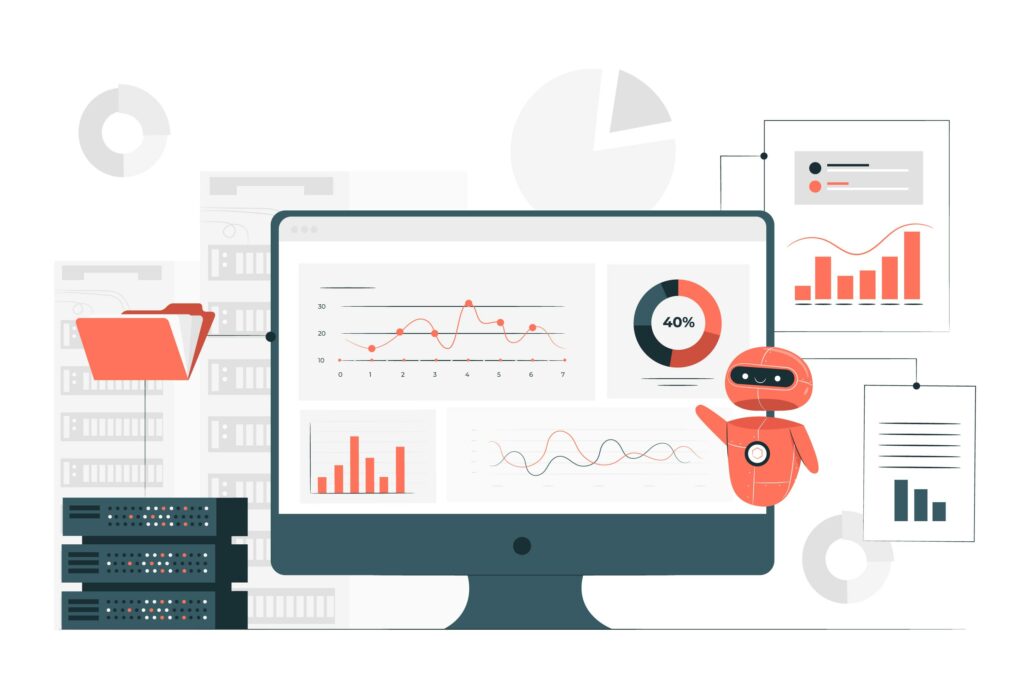
Artificial Intelligence for IT Operations redefines IT monitoring by offering a unified, real-time view of complex environments, ensuring seamless oversight and proactive management. Its comprehensive approach addresses the challenges of modern hybrid and multi-cloud infrastructures. Here’s how AIOps achieves this:
- Unified Monitoring Across Hybrid and Multi-Cloud Infrastructures: AIOps excels at monitoring diverse IT environments, including on-premises systems, hybrid setups, and multi-cloud architectures. It integrates data from various sources to provide a single, cohesive view of the entire infrastructure.
- Automatic Visibility into Asset Dependencies: Modern IT systems often involve interconnected assets and applications, making manual dependency mapping complex and error-prone. AIOps eliminates the need for human oversight by automatically detecting and mapping these dependencies. This helps IT teams understand how issues in one area might affect other parts of the system.
- Centralized Dashboard for Actionable Insights: AIOps consolidates data from various monitoring tools and sources into a centralized dashboard. This dashboard displays real-time performance metrics and highlights anomalies, trends, and actionable insights.
- End-to-End Observability: AIOps ensures observability across the entire IT stack, from infrastructure and applications to network performance. This end-to-end visibility helps detect and resolve issues before they impact users, enhancing system reliability and customer satisfaction.
- Real-Time Alerts and Notifications: AIOps monitors systems continuously and sends real-time alerts when it detects anomalies or potential issues. These alerts are often enriched with context, such as the probable cause and suggested resolutions, enabling IT teams to respond promptly and effectively.
- Scalability and Adaptability: Furthermore, as IT environments grow in complexity, AIOps scales effortlessly to accommodate additional systems and infrastructure. It also adapts to evolving business needs, ensuring that monitoring capabilities remain both robust and effective.
5. Continuous Learning

AIOps platforms harness the power of continuous learning to stay adaptive and effective in dynamic IT environments. By integrating advanced adaptive learning mechanisms, these platforms evolve to meet the growing complexity and demands of IT operations. Here’s how they achieve this:
- Real-Time Data Collection for Model Refinement: AIOps platforms continuously collect operational data in real time from diverse IT systems, including servers, networks, and applications. This constant influx of fresh data enables predictive models to be refined, ensuring they stay relevant and accurate. The more data the system processes, the better it becomes at identifying patterns and predicting outcomes.
- Advanced Machine Learning for Evolving Analytics: At the core of continuous learning is the use of sophisticated machine learning algorithms. These algorithms adapt to changing conditions and new data, allowing AIOps platforms to detect previously unseen patterns or anomalies.
- Enhanced Predictive Accuracy: Through iterative learning and processing, AIOps platforms significantly improve prediction accuracy. Continuous data analysis also helps fine-tune algorithms, reducing false positives and negatives in anomaly detection.
- Self-Optimizing Systems: Furthermore, AIOps platforms use continuous learning to become self-optimizing. They automatically adjust their thresholds, enhance alert mechanisms, and refine correlation techniques, thereby minimizing the need for manual intervention.
- Building Institutional Knowledge: Moreover, by processing and learning from historical and real-time data, AIOps builds a robust repository of institutional knowledge. This repository helps the platform anticipate recurring issues, recommend optimal configurations, and provide valuable insights based on past experiences.
- Proactive Insights and Recommendations: Furthermore, AIOps’ continuous learning capabilities enable it to provide proactive insights and actionable recommendations. As a result, IT teams receive suggestions on optimizing system performance, addressing potential vulnerabilities, and implementing best practices for infrastructure management.
Core Technological Components of AIOps
Artificial Intelligence for IT Operations relies on a robust technological foundation to deliver AI-driven IT management and IT automation effectively.
1. Data Collection
AIOps aggregates diverse data sources, such as:
- Historical logs and real-time metrics.
- Performance traces and application data.
- Incident tickets and network traffic.
This ensures a comprehensive data pool for intelligent analysis.
2. Machine Learning Algorithms
Machine learning forms the backbone of AIOps, employing techniques such as:
- Supervised Learning: Identifying predefined patterns.
- Unsupervised Learning: Detecting anomalies without predefined labels.
- Reinforcement Learning: Continuously improving through adaptive feedback.
- Deep Learning: Recognizing complex patterns within extensive datasets.
3. Advanced Analytics
AIOps provides cutting-edge analytics capabilities:
- Correlating events in real time for effective incident management.
- Detecting performance degradation and conducting root cause analysis.
- Offering actionable insights for proactive decision-making.
4. Automation and Orchestration
IT automation in Artificial Intelligence for IT Operations enables:
- Automatic resource scaling based on demand forecasts.
- Intelligent incident routing for quicker resolutions.
- Executing predefined remediation scripts to resolve known issues autonomously.
5. Continuous Learning and Adaptation
AIOps systems enhance operational effectiveness by:
- Adapting to changing IT environments.
- Refining responses based on historical data.
- Incorporating predictive analytics in IT to improve future outcomes.
Key Features of AIOps
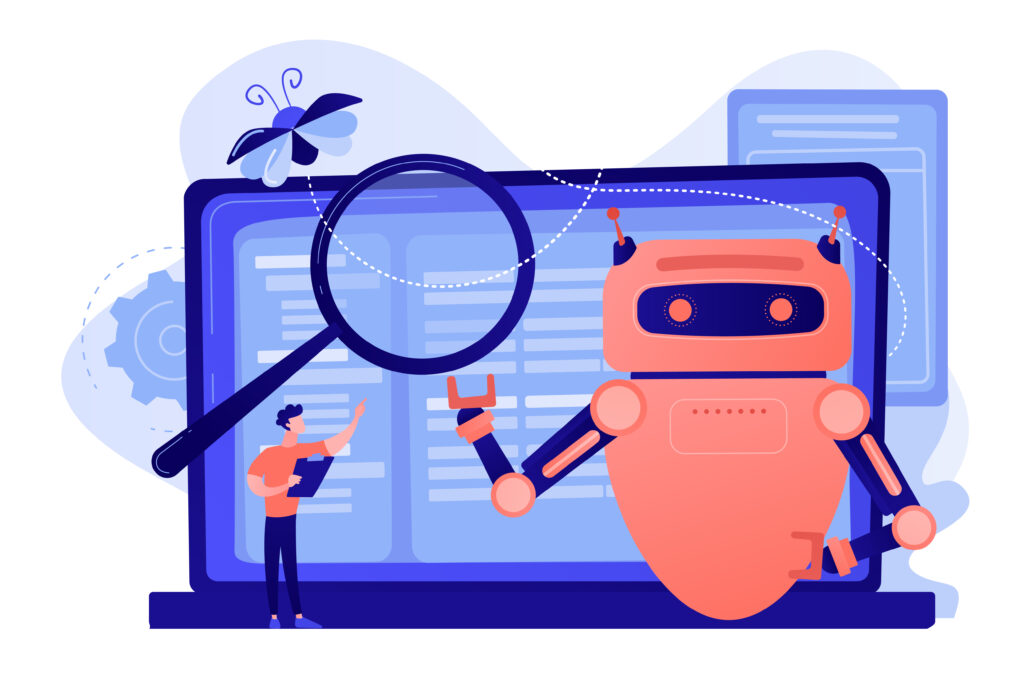
Anomaly Detection
Artificial Intelligence for IT Operations employs AI-driven IT management techniques to detect anomalies:
- Analyzing data from logs, metrics, and network traffic for unusual patterns.
- Prioritizing events based on potential business impacts.
- Leveraging machine learning algorithms to minimize false positives.
Techniques such as Isolation Forest and Local Outlier Factor (LOF) enable efficient identification of irregularities in high-dimensional data.
Predictive Analytics
Predictive analytics in IT enables proactive problem-solving by:
- Analyzing historical and real-time data trends.
- Anticipating system bottlenecks and vulnerabilities.
- Ensuring dynamic resource allocation based on future requirements.
This allows IT teams to prevent disruptions before they occur.
Applications of AIOps: Transforming IT Operations
Incident Management and Resolution
AIOps revolutionizes incident management by:
- Detecting incidents through comprehensive data analysis.
- Using AI automation to resolve routine issues.
- Prioritizing incidents based on severity for faster response times.
Optimizing IT Infrastructure Performance
Through continuous monitoring, AIOps:
- Tracks CPU usage, memory, and network bandwidth in real time.
- Predicts future resource needs, ensuring proactive capacity planning.
- Distributes workloads dynamically to prevent performance issues.
Challenges in AIOps Implementation
Data Integration Challenges
- Fragmented data silos limit cross-functional collaboration.
- Inconsistent data formats create obstacles for AI systems.
False Positives and Negatives
- Setting precise anomaly-detection thresholds remains challenging.
- Excessive alerts can reduce IT teams’ efficiency.
Technical Complexity
- Sophisticated AI integrations require advanced infrastructures and expertise.
- Many organizations face resource constraints during initial implementations.
How to Implement AIOps Successfully
AIOps implementation works best when organizations introduce automation gradually. Start by identifying operational problems that generate frequent alerts, require repetitive troubleshooting, or cause recurring downtime.
Next, bring together the data needed for analysis. Logs, metrics, traces, incident records, and network data should be collected from relevant systems and made accessible to the AIOps platform. Consistent, reliable data improves anomaly detection and event correlation.
Begin with monitoring and alert analysis before introducing automated remediation. This gives IT teams time to evaluate the accuracy of AI-generated insights and identify false positives. Once the system demonstrates reliable results, organizations can automate well-defined tasks such as incident routing, resource adjustments, or predefined remediation actions.
Define measurable outcomes throughout the implementation. Track metrics such as alert volume, incident response time, mean time to resolution, recurring incidents, and infrastructure utilization. Regular reviews can help determine where AIOps is delivering value and where models or workflows need adjustment.
Future of AIOps: The Road Ahead
The future of AI-driven IT management lies in:
- Enhanced integration of edge computing and 5G networks for real-time processing.
- Proactive infrastructure management through predictive analytics in IT.
- Intelligent, self-healing systems that minimize operational disruptions.
By incorporating AIOps, businesses can transform their IT operations into intelligent.
[Want to learn more about Artificial Intelligence for IT Operations? Click here to reach us.]
Conclusion
AIOps is transforming IT operations in 2024 by leveraging AI, machine learning, and automation to streamline tasks, enhance system reliability, and improve efficiency. From automated data processing and predictive capabilities to comprehensive monitoring and continuous learning, AIOps helps IT teams manage complex environments more effectively. By proactively addressing issues before they arise, AIOps reduces downtime and optimizes resource allocation.
As organizations adopt hybrid and multi-cloud infrastructures, AIOps becomes essential to maintain performance and minimize operational costs. Partnering with experts like Bobcares, who specialize in AI development services, helps businesses integrate AI-driven solutions seamlessly and achieve optimal results.
Embracing AIOps helps businesses shift from reactive to proactive IT management, allowing IT teams to focus on strategic growth and innovation in a rapidly evolving digital world.

