


Discover how a cloud readiness assessment helps organizations evaluate infrastructure, applications, security, and processes to ensure a smooth cloud transition. Get a comprehensive checklist from our Cloud Management Support Team to guide your organization through a smooth cloud migration.
Organizations across industries are embracing cloud technology to improve agility, manage costs, and increase access to resources. However, migrating to the cloud is a complex process. Without a clear understanding of your organization’s readiness, migration efforts can face delays, increased costs, or operational disruptions. This is where a cloud readiness assessment plays a vital role.
A cloud readiness assessment evaluates your organization’s current IT ecosystem, identifies potential obstacles, and provides a roadmap for a successful migration. This article explores what a cloud readiness assessment is, how it works, the key components, and the tools available to make this process more effective.
Overview
What Is a Cloud Readiness Assessment?
A cloud readiness assessment is a structured evaluation of an organization’s IT environment and operations. It determines whether your systems, processes, and teams are prepared to move workloads to the cloud. This assessment goes beyond basic infrastructure checks, offering a comprehensive understanding of potential challenges, dependencies, and gaps. Business leaders looking to evaluate their cloud readiness can refer to our comprehensive Cloud Readiness Assessment Checklist to ensure a smooth and efficient migration.
“The cloud is for everyone, but readiness is key—preparation separates opportunity from chaos.”
– Satya Nadella, CEO of Microsoft
During the assessment, organizations examine several key areas:
- Infrastructure:
Evaluates current servers, storage, networks, and data centers to determine if they can support cloud workloads.
- Applications:
Reviews application compatibility, dependencies, and performance requirements in cloud environments.
- Security:
Identifies vulnerabilities and ensures that security policies comply with regulatory and industry standards.
- Data:
Assesses storage, backup, and migration needs to maintain integrity and compliance during the transition.
- People:
Evaluates the skill levels of teams managing cloud systems and identifies training needs.
- Processes:
Reviews workflows and IT processes to ensure they align with cloud operations.
Organizations can pinpoint potential obstacles and create a strategy to address them. The assessment provides a foundation for reducing risks, optimizing resources, and ensuring that the cloud environment supports business goals.
Why Conduct a Cloud Readiness Assessment?
Organizations gain multiple advantages from conducting a cloud readiness assessment before migration:
- Helps identify which workloads are most economical to move, avoid unnecessary infrastructure costs, and optimize cloud resource usage.
- Determines which cloud solutions can easily accommodate future growth, whether adding new users, applications, or developers.
- Reveals potential vulnerabilities and ensures cloud environments meet regulatory standards.
- Improves allocation of IT staff and infrastructure, making workflows more efficient.
A readiness assessment reduces uncertainty, prevents delays, and allows businesses to approach migration strategically rather than reactively.
Key Components of a Cloud Readiness Assessment
A thorough assessment evaluates multiple dimensions to determine how prepared your organization is for cloud adoption.
Infrastructure Evaluation
This step reviews hardware, networks, storage, and backup systems. Consider bandwidth requirements, data transfer capacity, and redundancy. Upgrades may be necessary to handle increased traffic or workloads in cloud environments.
Application Analysis
Applications are examined to identify which can be migrated immediately, which require modification, and which should remain on-site. Questions to guide analysis include:
- Do multiple teams need simultaneous access?
- Can the application be containerized for better portability?
- Are maintenance costs high compared to cloud alternatives?
- Can cloud security measures better protect the application?
Some applications may require redevelopment before cloud deployment.
Security Considerations
Data previously stored in-house may now reside on external servers. Organizations must ensure that cloud providers offer robust security measures and comply with regulatory requirements. Security evaluation includes access controls, data encryption, monitoring, and incident response strategies.
Data Management
Data assessment involves evaluating storage, backup, integrity, and migration needs. Organizations must identify sensitive data, ensure compliance with data protection laws, and establish a strategy for secure transfer.
People and Processes
Assess the skills of IT teams and their ability to operate cloud-based systems. Workflow processes may need modification to accommodate cloud deployment. Training plans and process adjustments help teams adapt effectively.
How a Cloud Readiness Assessment Works
A cloud readiness assessment is customized for each organization. While the exact process varies, most assessments follow a similar set of steps:
1. Define Objectives and Scope
First, organizations need to clarify their migration goals. Are you seeking reduced costs, improved application performance, faster deployment cycles, or enhanced operational efficiency? Determining what success looks like will guide the rest of the assessment. Additionally, you must define which applications, data sets, and infrastructure components are included in the evaluation.
2. Gather Data
Collect detailed information about your current IT environment. This includes server configurations, application dependencies, data storage locations, network setups, and security policies. Gathering data may involve interviews, surveys, documentation review, and automated tools. The more complete the data, the clearer the picture of readiness.
3. Analyze and Evaluate
Once data is collected, analyze it to understand gaps and challenges. This evaluation identifies potential risks such as downtime, application incompatibility, data security issues, or skill gaps within your teams. The analysis forms the basis for developing recommendations and planning the next steps.
4. Develop Recommendations
Based on the evaluation, create a set of actionable recommendations. These may include upgrading network bandwidth, refactoring applications, implementing security measures, or training staff. Recommendations should align with business objectives and be practical for your organization’s size and resources.
5. Create a Roadmap
The final stage involves mapping out a detailed migration plan. This roadmap includes timelines, resource allocation, and priorities for implementation. Engaging stakeholders from all departments ensures that the plan reflects organizational goals and fosters collaboration during the transition.
Tools for Cloud Readiness Assessment
Using the right tools can simplify the assessment process and provide valuable insights. One leading tool is vFunction, an AI-driven platform that helps organizations modernize applications and prepare for cloud adoption.

vFunction offers a range of capabilities to support cloud readiness and migration. It evaluates applications to identify potential migration challenges through application complexity analysis. The platform provides clear mappings of application relationships with dependency visualization, helping teams understand interconnections and dependencies.
It also breaks down large, monolithic applications into smaller, cloud-ready components, making them easier to migrate and manage. Additionally, vFunction generates actionable steps for migration and modernization, allowing organizations to prioritize tasks effectively and streamline the transition to the cloud.
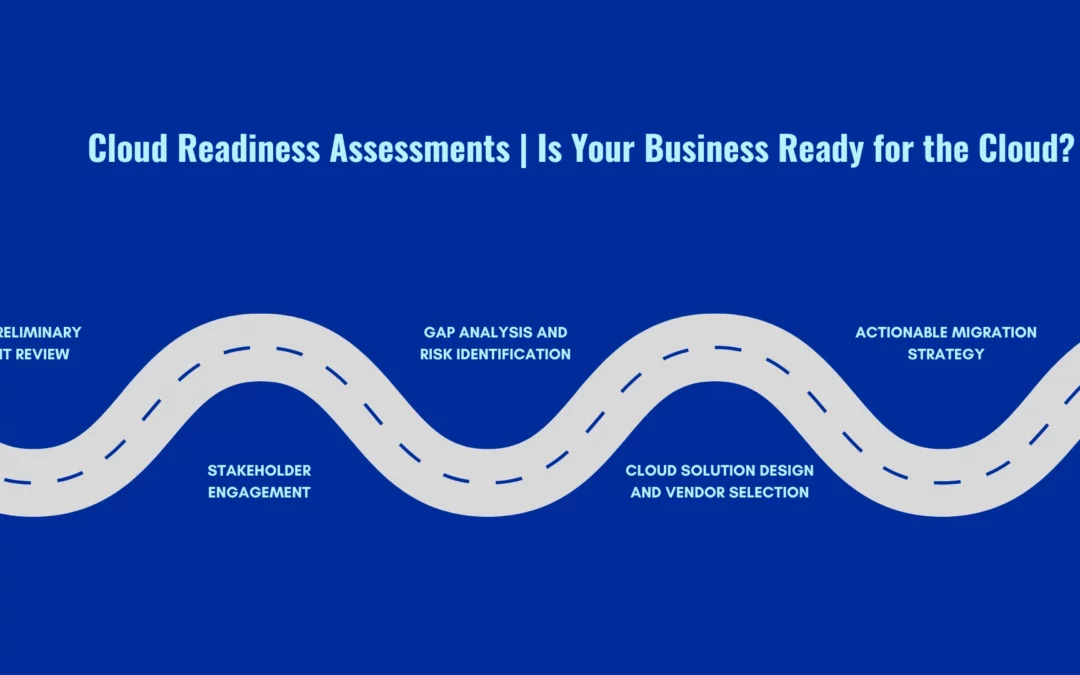
Steps to Conduct a Cloud Readiness Assessment
1. Preliminary IT Review
Examine infrastructure, applications, databases, and network topology. Identify critical systems and potential performance gaps. This phase provides a detailed inventory of IT assets.
2. Stakeholder Engagement
Involve teams and management to align cloud strategies with business goals. Assess expertise, workflows, and cultural readiness for cloud adoption.
3. Gap Analysis and Risk Identification
Analyze technical and operational gaps. Identify risks such as downtime, regulatory non-compliance, or vendor lock-in. Develop mitigation strategies for each identified risk.
4. Cloud Solution Design and Vendor Selection
Design cloud architecture to match current and future requirements. Select suitable service models (IaaS, PaaS, SaaS) and evaluate vendors based on performance, cost, and compliance.
5. Actionable Migration Strategy
Develop a detailed adoption plan including timelines, resource allocation, and change management strategies. Outline post-migration monitoring and continuous improvement plans.
Here is a quick checklist to get you started:
Tick off each step as you complete it.
[Need assistance with a different issue? Our team is available 24/7.]
Conclusion
A cloud readiness assessment is an essential step for any organization planning a cloud migration. Businesses can reduce risks, control costs, and ensure smoother operations during and after migration by evaluating infrastructure, applications, security, data, and personnel.
Ready to evaluate your cloud readiness? Connect with our Cloud Management team to create a tailored migration strategy today.

